Milan burned to the ground in 1162 when Frederick Barbarossa razed it, and the city rebuilt itself so completely that little of that medieval trauma is visible today. This capacity for reinvention defines the place.
Read moreShow less
Milan Tours reveal a city that has repeatedly remade itself — Roman Mediolanum, seat of the Visconti and Sforza dukes, Habsburg outpost, and now Italy's engine of finance and design. Its skyline reads that history in layers, from the pale marble of the Duomo to the twisted glass of the Porta Nuova district.
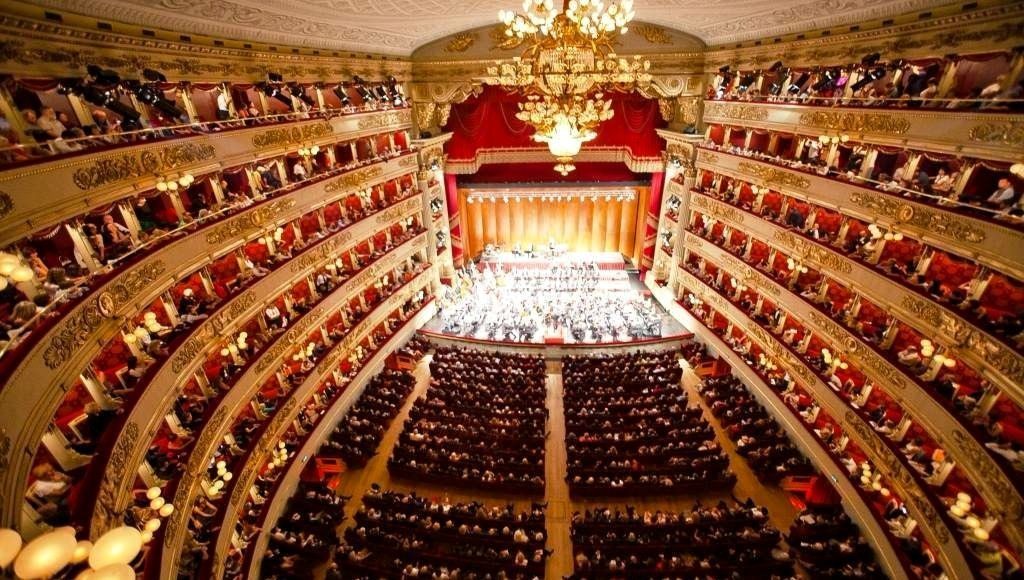
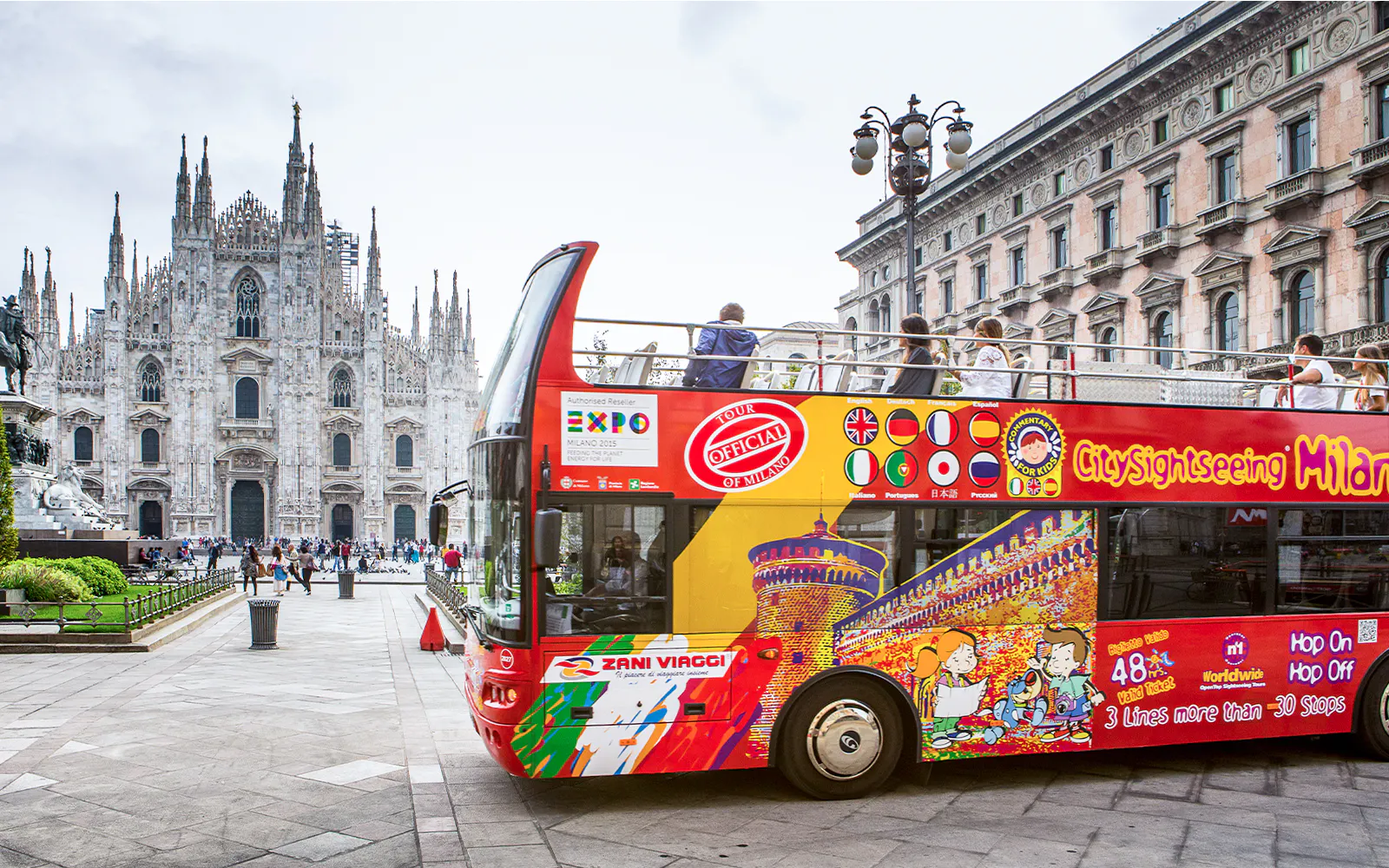
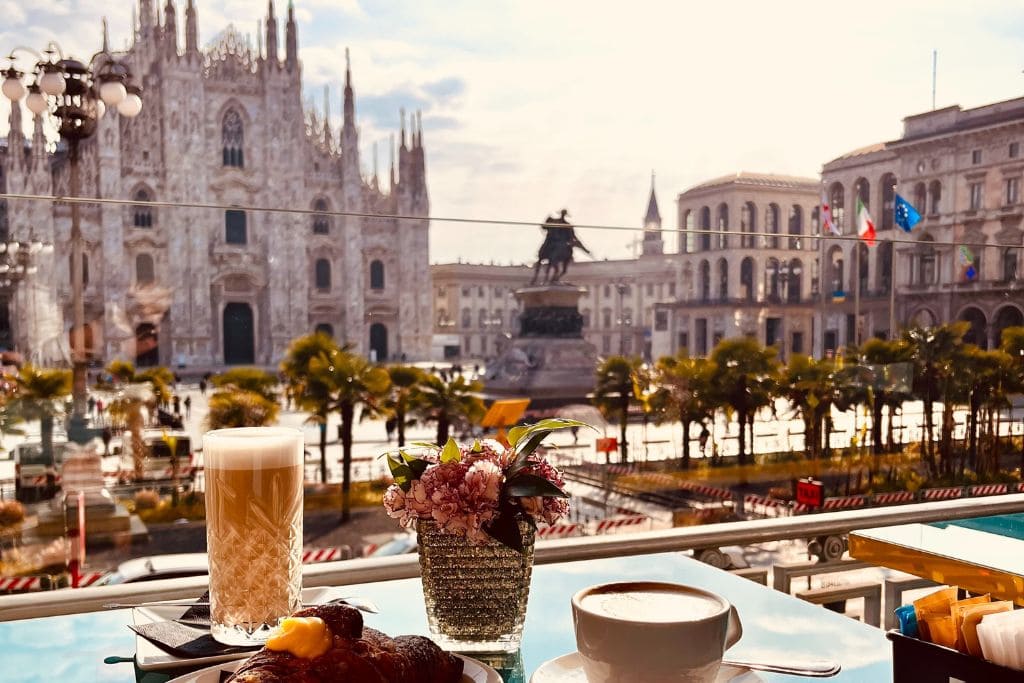
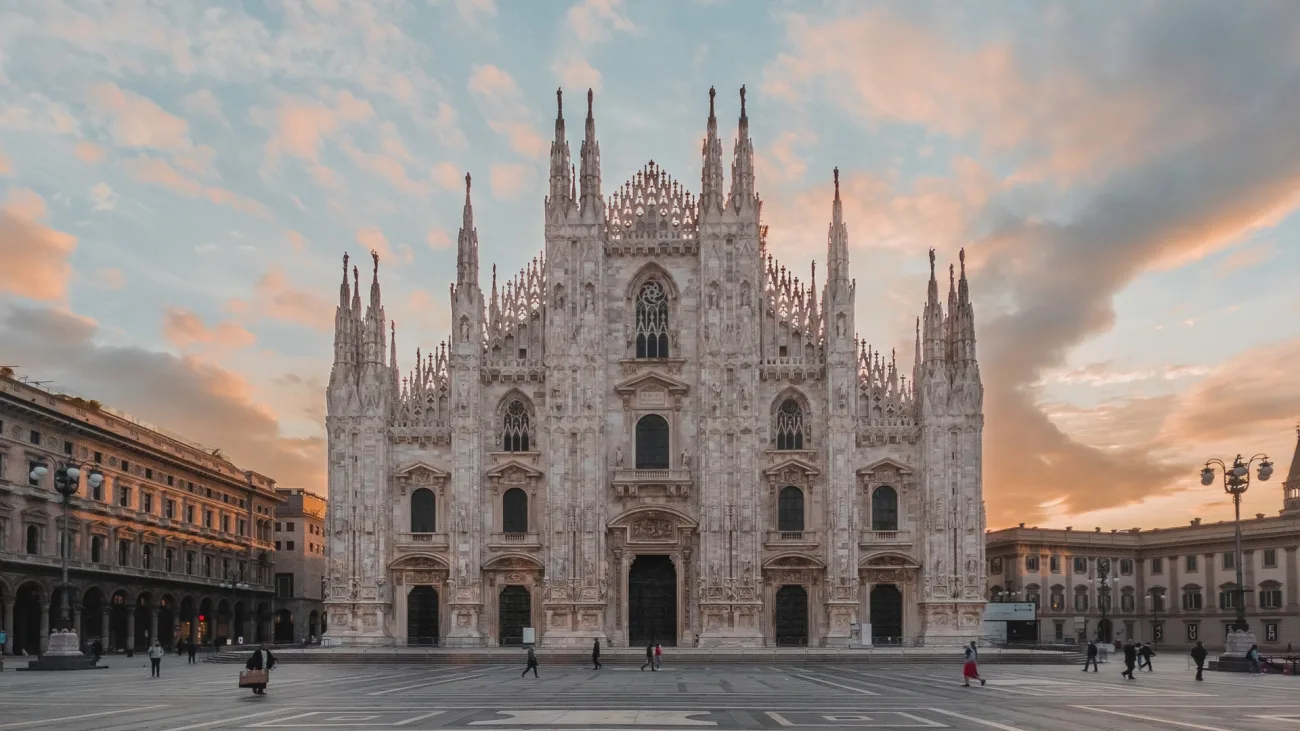
The cathedral anchors everything. Begun in 1386 and not formally completed until the twentieth century, the Duomo di Milano gathers 135 spires and thousands of statues into a single Gothic mass, its rooftop terrace one of the few places in Europe where visitors walk among the pinnacles. A short walk away, the Galleria Vittorio Emanuele II threads shoppers beneath a glass dome toward the Teatro alla Scala, where Verdi premiered and the opera season still opens each December. These landmarks sit close enough that Milan landmarks can be crossed on foot in an afternoon.
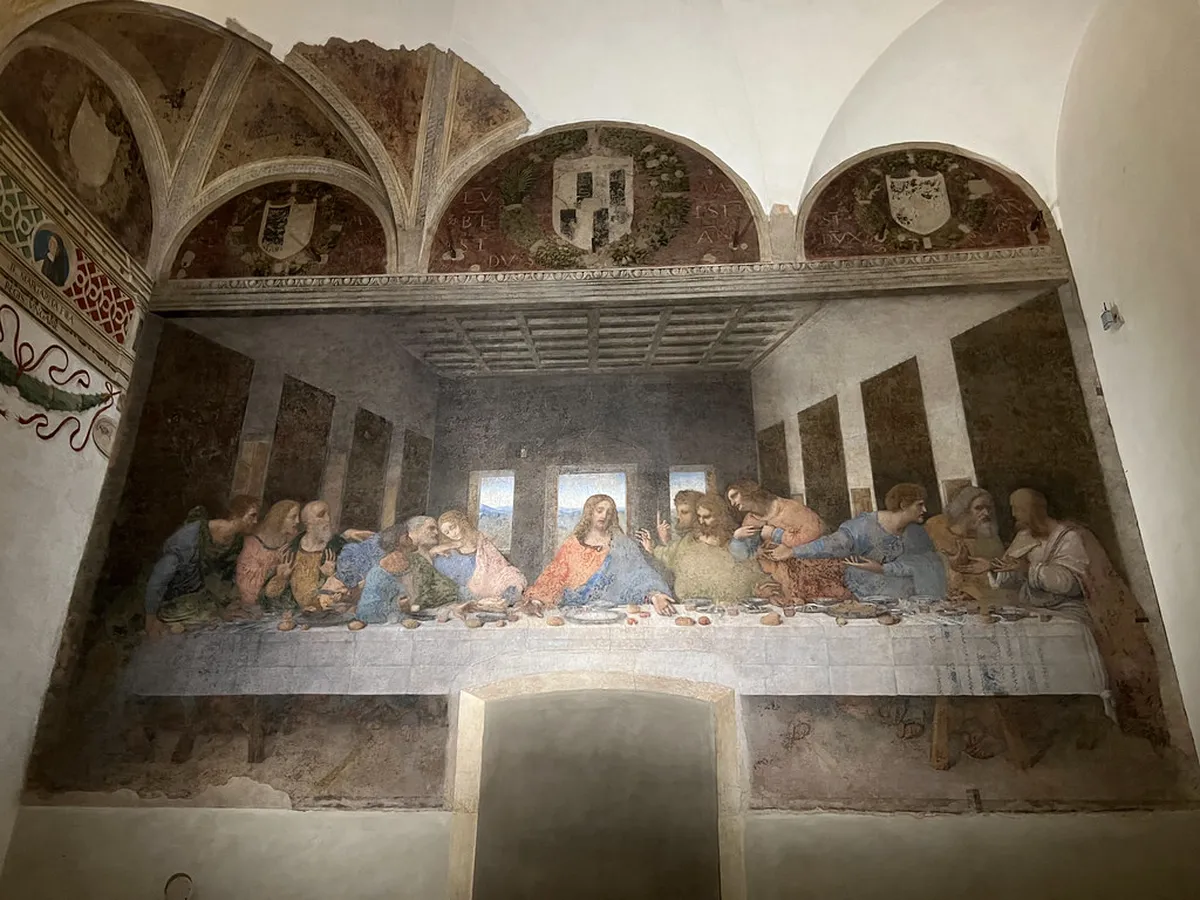
Art gives the city its quiet counterweight. In the refectory of Santa Maria delle Grazie, Leonardo da Vinci's Last Supper endures on a damp wall he never intended to last, admitted to in small timed groups that lend the viewing a near-monastic hush. The best Duomo cathedral tour pairs the rooftop with these fragile treasures, and a well-planned Milan skip-the-line ticket spares hours in the piazza queues. Beyond the center, the Navigli canals, the Sforza Castle and the Brera galleries fill out a picture of a city that treats creativity as ordinary work.
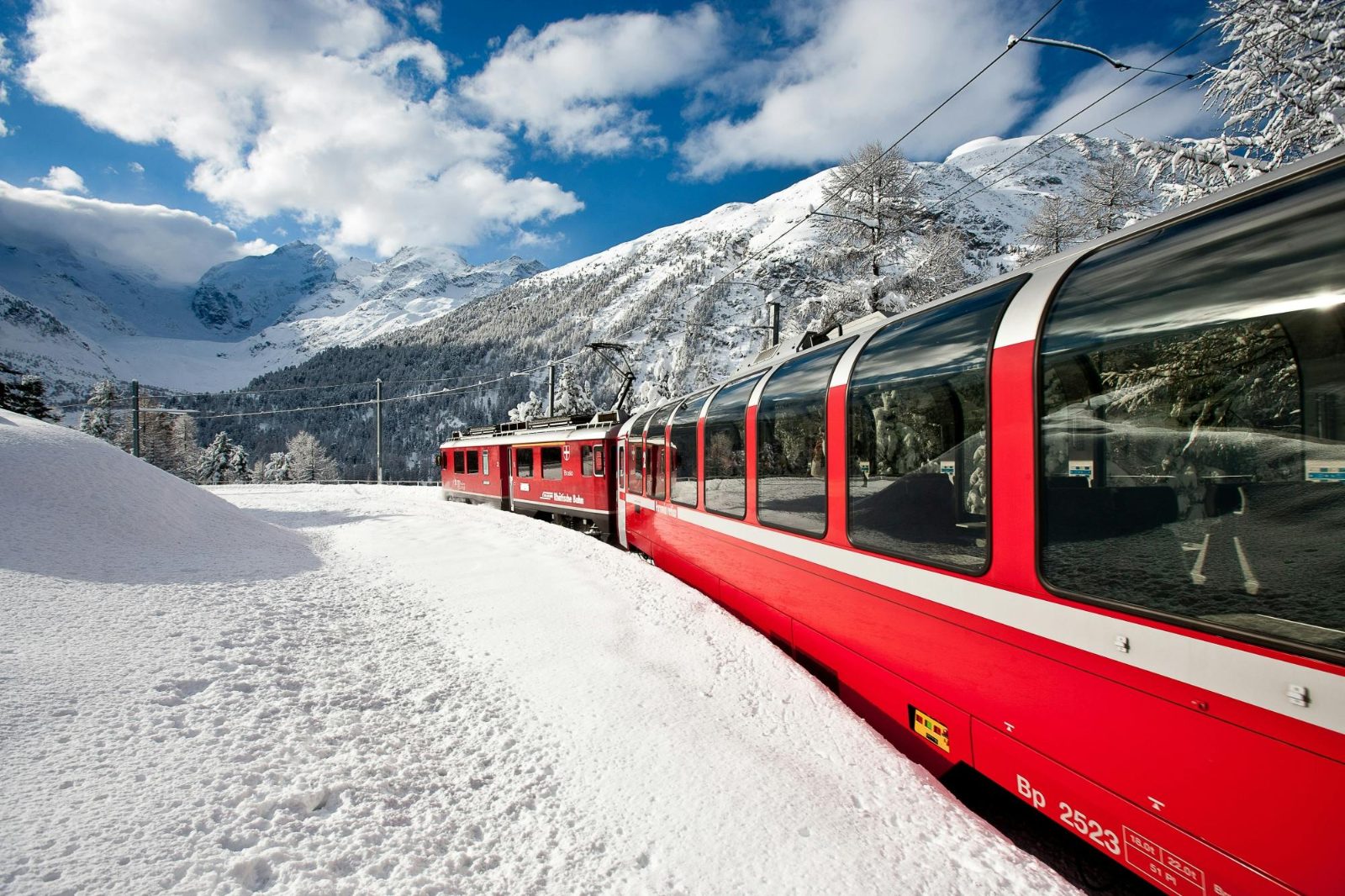
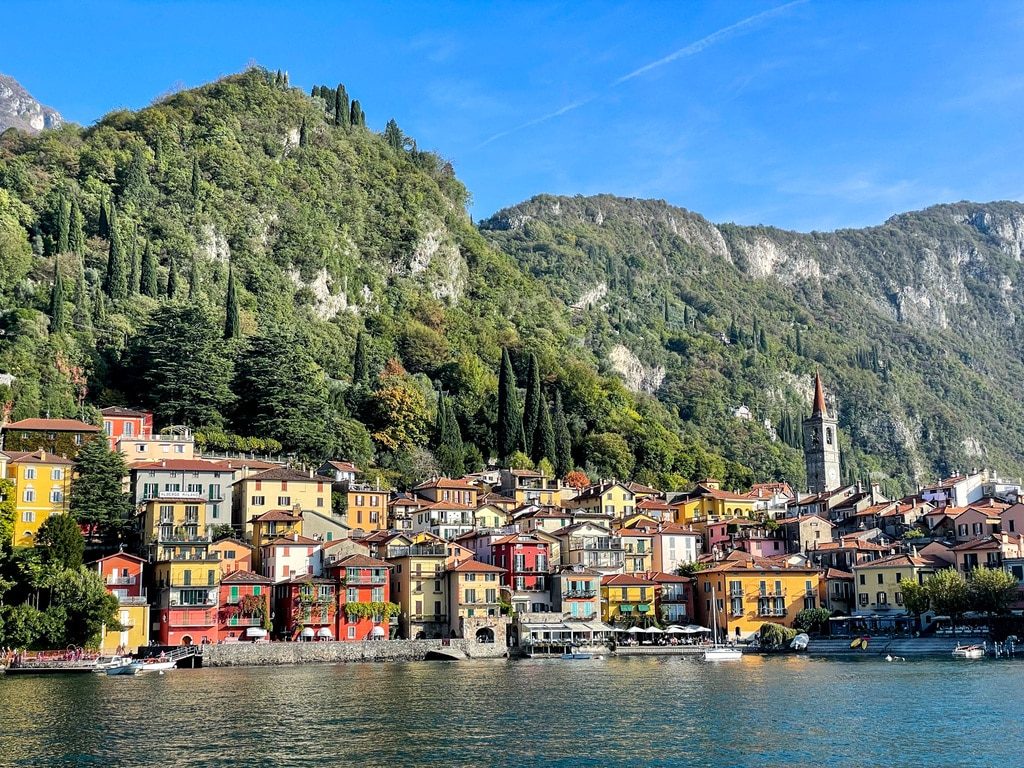
Milan also faces outward. The Lombard plain rises quickly toward the Alps, and the shores of Lake Como, the Swiss valleys of the Bernina line and the outlet villages of the foothills all fall within reach of a single day's travel. This dual character — dense historic core, open Alpine hinterland — is what gives the destination its range. A traveler can spend a morning beneath Leonardo's fresco and an evening beside a glacial lake.
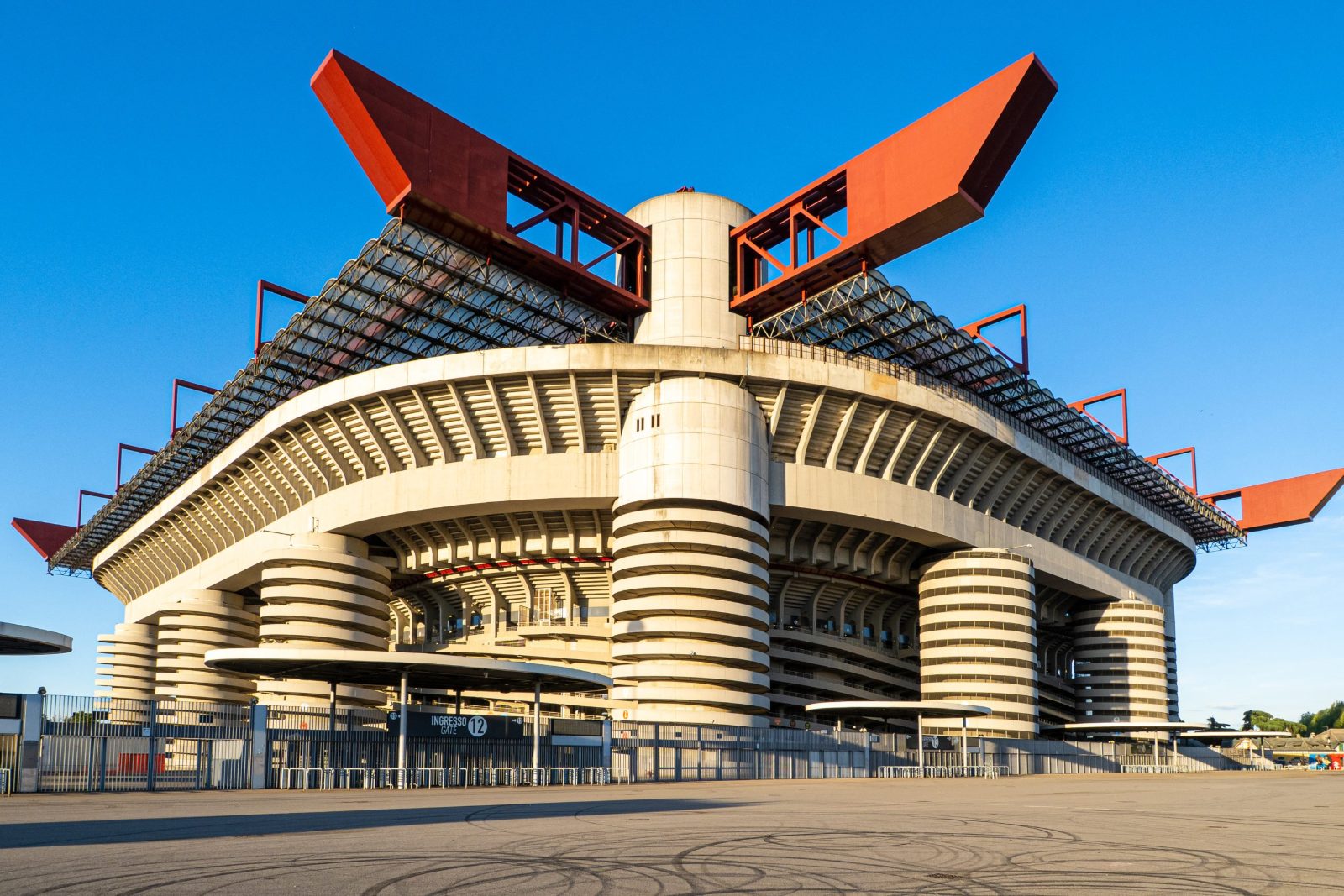
The result suits the design-minded and the restless alike. Milan Tours tours built around the Duomo, La Scala, San Siro and the food markets of the old quarters give first-timers a spine to work from, while Milan Tours tickets to the cathedral and the Last Supper cover the essentials. For repeat visitors, Milan Tours tour options reaching Como and the Alps turn the city into a launchpad rather than a single destination — a place defined as much by where it leads as by what it holds.
“A traveler can spend a morning beneath Leonardo's fresco and an evening beside a glacial lake.”
Gothic Duomo
The world's largest Gothic cathedral crowns the city, its rooftop terrace opening onto a forest of marble spires.
Leonardo's Last Supper
Da Vinci's fresco survives on the refectory wall of Santa Maria delle Grazie, a UNESCO-listed masterwork viewed in timed groups.
Gateway to the Lakes
Lake Como, the Swiss Alps and the Bernina Express all lie within a short journey of the city center.
Most popular
Top attractions in Milan
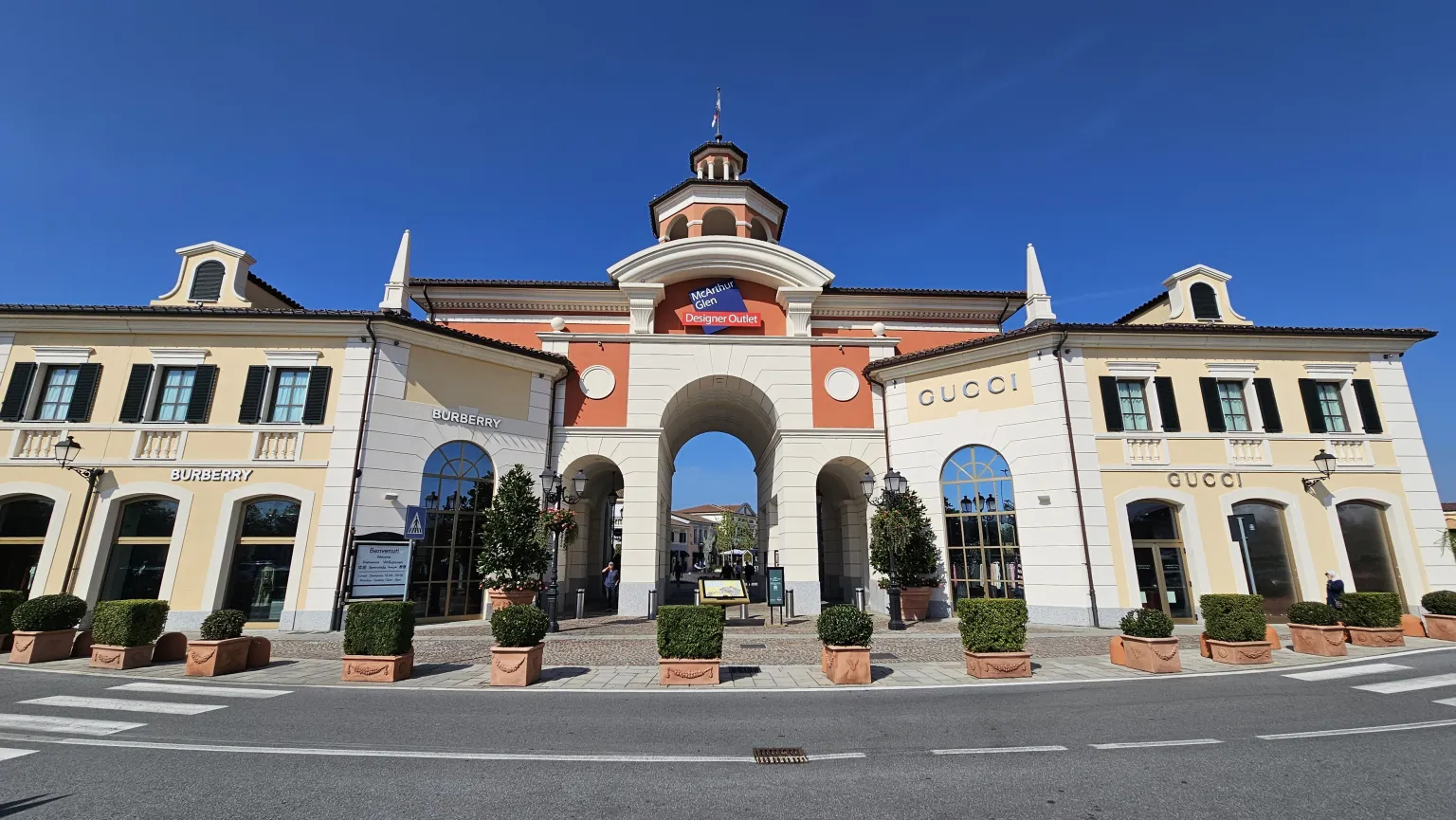
Milan rewards visitors who mix its landmarks with its escapes. This collection spans the city's headline sights, its cultural institutions, and the day trips that Milan uniquely makes easy, from mountain railways to lakeside villages. Choose by appetite: cathedral rooftops and Renaissance masterpieces for art lovers, stadium and theatre tours for the passionate, outlet runs and alpine excursions for those who want a change of pace. Pair one signature in-city experience with one journey beyond, and you have a balanced few days without doubling back on yourself.
These three plans build outward from the Duomo, adding a booked headliner each day so nothing overlaps. Reserve the timed-entry sites (Last Supper, La Scala, San Siro) before you arrive, then let the walking stops fill the gaps. Day 3 swaps the city for a lake, so keep it flexible around your train.
Return for an aperitivo stroll along the towpaths, browsing the antique-lined banks; give it two unhurried hours.
Where to go
Milan Tours by Neighborhood: Brera, Navigli, and Porta Nuova
Milan's center radiates out from the Duomo in concentric rings, with each surrounding district holding a distinct identity rather than blending into the next. Art, canals, glass towers, and high fashion sit within a short walk or a couple of metro stops of one another, so visitors typically cross several in a single day.
Brera
Cobblestone lanes north of the Duomo built around the Pinacoteca di Brera, one of Italy's major art collections, with galleries and antique shops filling the side streets. It suits travelers who want a slower, artier pace, with aperitivo bars livening the neighborhood after 6pm.
Navigli
A canal district south of the center where the Naviglio Grande and the Darsena dock anchor an evening scene of bars and restaurants along the water. It draws a younger crowd for aperitivo culture and weekend market stalls set up beside the canals.
Porta Nuova
A cluster of contemporary towers north of Brera, including the Bosco Verticale (Vertical Forest) residential high-rises, that marks Milan's push into modern architecture. It suits visitors curious about the city's design and business side rather than its historic core.
Quadrilatero d'Oro
The Golden Rectangle around Via Montenapoleone concentrates flagship stores from Italy's major fashion houses within a compact grid of streets. It works for window shopping or serious buying, and feels distinctly quieter and more formal than nearby Brera.
Porta Ticinese
A bohemian strip near the Navigli canals lined with vintage boutiques, Roman-era columns at Sant'Ambrogio, and a dense run of bars that carries the neighborhood's energy into the night. It suits visitors chasing a grittier, more youth-driven side of Milan.
Getting around
Getting Around on Milan Tours: Metro, Trams, and Airport Transfers
Milan's flat, compact center means most sights near the Duomo are reachable on foot, while ATM (Azienda Trasporti Milanesi) runs a dense metro-tram-bus network for longer hops. The five metro lines converge on hub stations like Duomo and Cadorna, making cross-town transfers straightforward even for first-time visitors.
Metro
€2.20 single
Five lines cover the city: M1 (red) and M3 (yellow) serve the Duomo, M4 (blue) runs to Linate airport, and M5 (lilac) links San Siro to Bignami. Duomo, Cadorna, and Centrale are the main interchange stations.
Tram
€2.20 single
Historic tram cars, including vintage 1920s models on route 1, cover streets the metro misses, especially through Brera and the Navigli canals. Trams run frequently and use the same ticket as the metro.
Walking
Free
The historic center inside the old city walls is flat and largely pedestrianized around Corso Vittorio Emanuele II and Via Dante, making Duomo-to-Castello Sforzesco walks easy. Most central landmarks sit within a 20-minute walk of each other.
Bus
€2.20 single
Surface routes fill gaps between metro stations and run night buses (NM1-NM4) after the metro closes around 12:30am. The ATM app shows real-time arrivals for planning transfers.
Taxi
€3.90 flag-drop + €1.32/km
Ranks cluster at Duomo, Centrale, and Cadorna, or hail via the FreeNow app; useful late at night when transit service thins out.
From the airport: From Malpensa (MXP), the Malpensa Express train reaches the center in about 50 minutes for €15; from Linate (LIN), the M4 metro line covers the trip in 12 minutes for €2.20; from Orio al Serio/Bergamo (BGY), an airport shuttle bus takes about 55 minutes for roughly €10.
When to go
Best Time for Milan Tours: Seasons, Fashion Week, and Crowds
Mid-April through June is the strongest window for Milan Tours, pairing mild, mostly dry days with manageable crowds before summer humidity and Fashion Week rate spikes set in.
Spring (Apr-Jun)
Mild, 15-26°C, occasional rain showersModerate, rising through May
Summer (Jul-Aug)
Hot, humid, highs 29-30°CLighter citywide, thinner August
Autumn (Sep-Oct)
Warm early, cooling to mild, 18-24°CModerate, busier around design events
Winter (Nov-Mar)
Cold, damp, highs 5-11°C, occasional fogLow, except December markets
Winter keeps rates lowest outside the Christmas market surge, though grey skies and short days limit outdoor sightseeing comfort.
Costs
Milan Tours on a Budget: What to Expect to Spend
Milan runs close to Paris or Barcelona rather than Rome or Florence: transit and coffee stay cheap, but hotels and sit-down dining carry the city's financial-capital premium, especially near the Duomo.
Budget hotel/hostel bedshared or basic rooms
€35-65/night
Mid-range hotel/night3-star, central districts
€90-150
Sit-down mealmid-range trattoria, no drinks
€18-25
Coffeeespresso vs cappuccino seated
€1.50 at bar; €4-5 seated
Transit day pass24-hour ATM pass, all zones
€7.60
Duomo cathedral entrycathedral only, no terraces
€5-13
Local drinkdraft beer, 0.4L
€5-6
Taxi rideofficial Comune tariff
€3.90 flag-drop + €1.32/km
Daily budget: A realistic daily budget lands around €60-90 for a budget traveler and €150-200 for mid-range, covering a bed, two meals, transit, and one paid attraction.
What's on
Milan Tours Around Fashion Week and Design Week
Milan's calendar runs on a handful of recurring dates that reshape hotel availability well beyond the general seasonal pattern. Two events in particular, Fashion Week and Design Week, are worth building an itinerary around or steering clear of, depending on what you want from the trip.
Feb-Mar
Milan Fashion Week (Women's)
Camera Nazionale della Moda Italiana runs runway shows across the Quadrilatero della Moda, Porta Romana, and Tortona districts; central hotels near show venues book out weeks ahead and rates climb sharply.
April
Milano Marathon
A mid-April Sunday race starts at Corso Sempione and finishes at Piazza del Duomo, closing central streets for much of the morning; plan around road closures rather than avoid the city.
Late April
Salone del Mobile / Milan Design Week
The furniture fair at Fiera Milano Rho pairs with Fuorisalone installations citywide; this is the single busiest week of the year for hotel demand, worth planning a visit around for the atmosphere or avoiding if you dislike crowds.
September
Milan Fashion Week (Men's/Women's pre-collections)
A second, generally smaller round of shows returns to the same fashion districts, with a lighter but still noticeable effect on room rates.
7-8 Dec
Sant'Ambrogio and Oh Bej Oh Bej
The city's patron-saint feast opens with La Scala's opera season premiere and the Oh Bej Oh Bej market around Castello Sforzesco, marking the start of the Christmas period and a good weekend to plan a trip around for atmosphere.
Food & drink
Milan Tours for Food Lovers: Aperitivo, Risotto, and the Navigli Scene
Milanese cooking runs on butter, saffron, and slow braises rather than the tomato-and-olive-oil style found further south, a legacy of the city's Austrian and Spanish rule. Alongside the classic trattoria table, an evening ritual called aperitivo turns a single drink into a light meal, and it defines how Milan actually eats after dark.
Risotto alla Milanese
€
dish
Saffron-stained rice cooked in broth, traditionally plated under ossobuco; order it at Trattoria Masuelli San Marco or Antica Trattoria della Pesa, both running since the early 20th century.
Cotoletta alla Milanese
€€
dish
A bone-in veal cutlet fried in butter, thick and pink inside in the traditional style; Trattoria del Nuovo Macello and Trattoria Milanese (open since 1933, tucked behind Cordusio) are known for it.
Ossobuco
€€
dish
Braised veal shank with the marrow left in the bone, topped with gremolata and usually served on risotto; a fixture on the same menus as the risotto above.
Panzerotto
€
street
A fried, stuffed dough pocket, classically tomato and mozzarella; Luini, a small bakery near the Duomo on Via Santa Radegonda, has served them since 1949.
Navigli aperitivo
€€
district
Early-evening drink-plus-snacks ritual along the Navigli canals, where a cocktail at a canal-side bar comes with a buffet of cold cuts, cheese, and small plates; Porta Ticinese and the Darsena are the main strips.
Brera trattorias
€€
district
A denser, quieter alternative to Navigli for sit-down Milanese classics; Latteria San Marco, a seven-table spot with no reservations, is a local favorite in this district.
FAQ
Milan — frequently asked questions
Milan boasts a diverse mix of world-renowned art galleries, stunning historical architecture like the Duomo, fascinating fashion museums, and modern design districts.
Tailor your itinerary to your interests. Art enthusiasts should prioritize seeing The Last Supper and Pinacoteca di Brera, while architecture and history buffs will love the Sforza Castle and the Galleria Vittorio Emanuele II.
Spring and autumn offer the best weather for walking between sights. To capture the best photos and enjoy a quieter experience, visit iconic landmarks like the Duomo early in the morning.
It is highly recommended to book tickets online well in advance. Masterpieces like Da Vinci's Last Supper often sell out months ahead, and skip-the-line tickets save hours of waiting at major monuments.
Yes, many museums offer interactive exhibits and discounted family rates. Major attractions, including the ground floor of the Duomo and most top-tier museums, are fully wheelchair accessible.
Milan is highly walkable, but it also features a highly efficient public transportation network. The metro, historic yellow trams, and buses easily connect all major tourist areas.
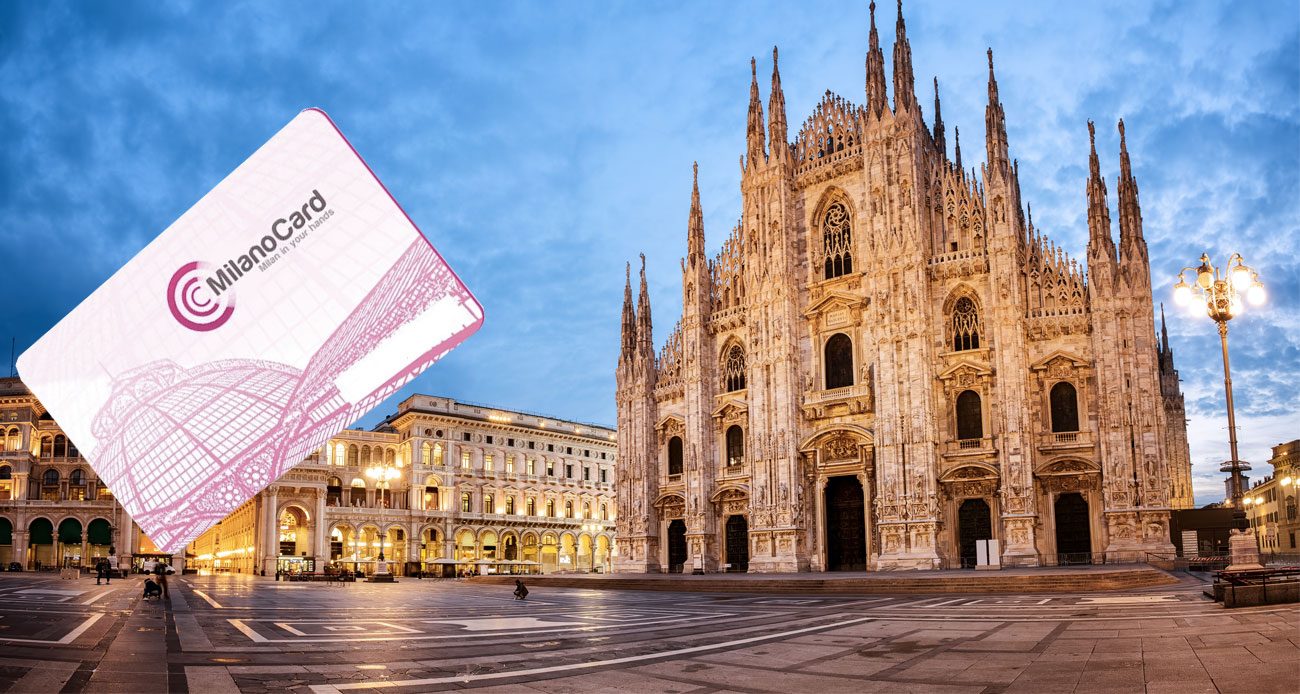
Yes, visitors can purchase the Milan Pass or the YesMilano City Pass, which provide bundled access to top museums, exclusive discounts, and unlimited use of the public transport system.
To avoid heavy crowds, visit popular spots mid-week rather than on weekends. Pre-book skip-the-line tickets, and explore the trendy Navigli district or Brera streets during the early afternoon while others are touring the major squares.
Ready to Explore?
Choose from amazing attractions and create unforgettable memories in this beautiful city