Open today · 09:30 – 17:30

La Scala Theatre Tour

La Scala Theatre Tour — Museo Teatrale & Auditorium Access

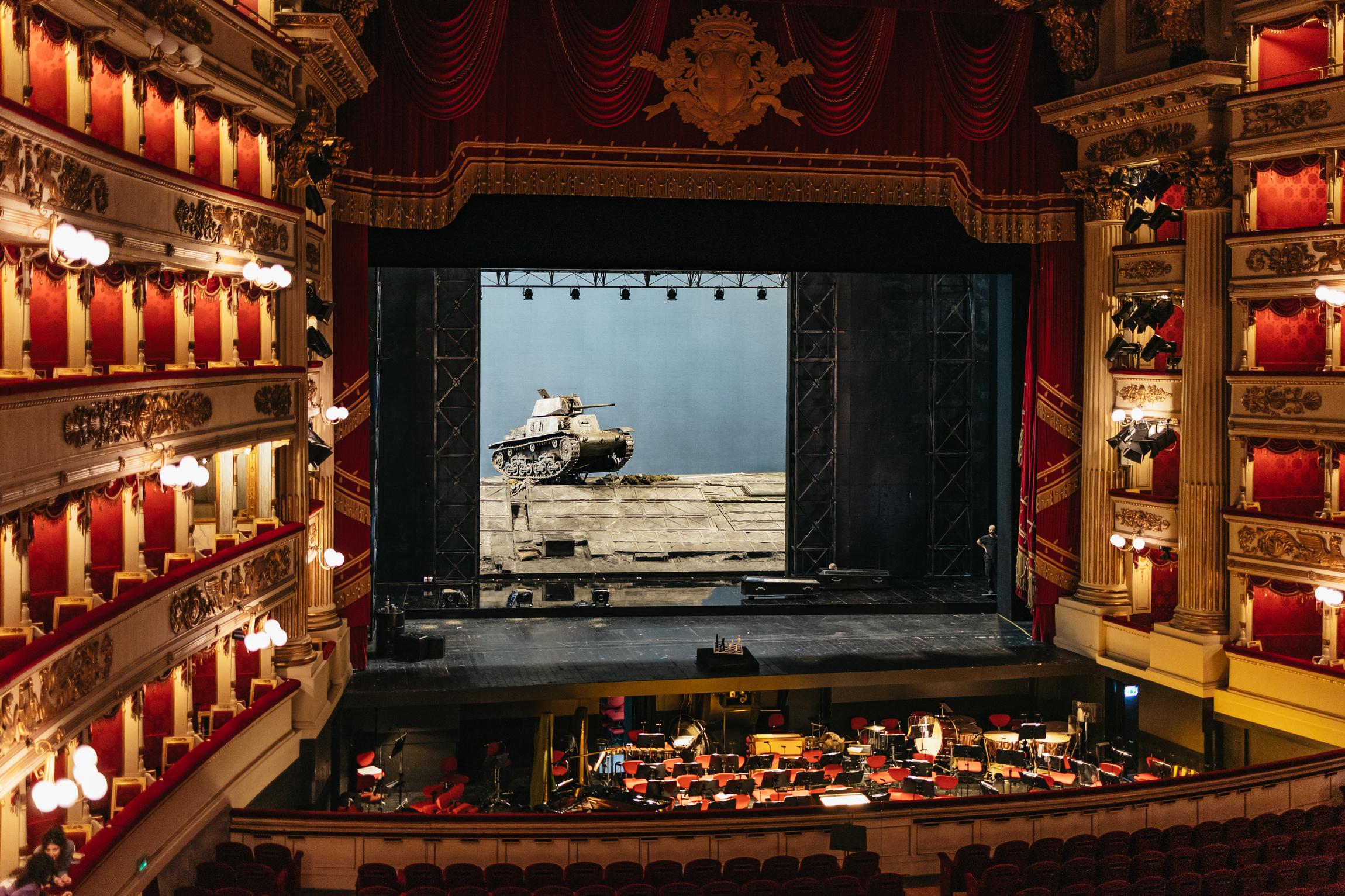
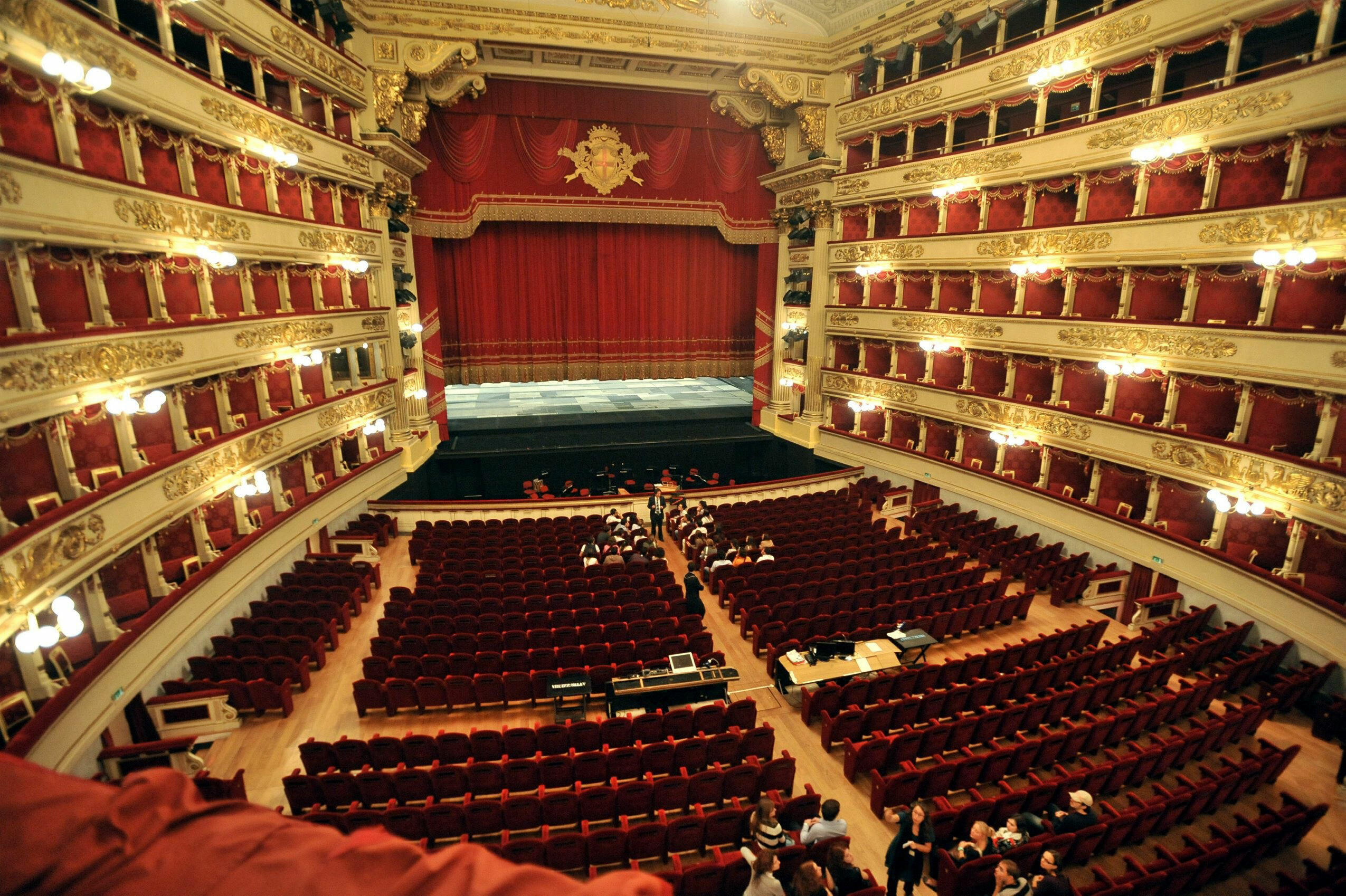
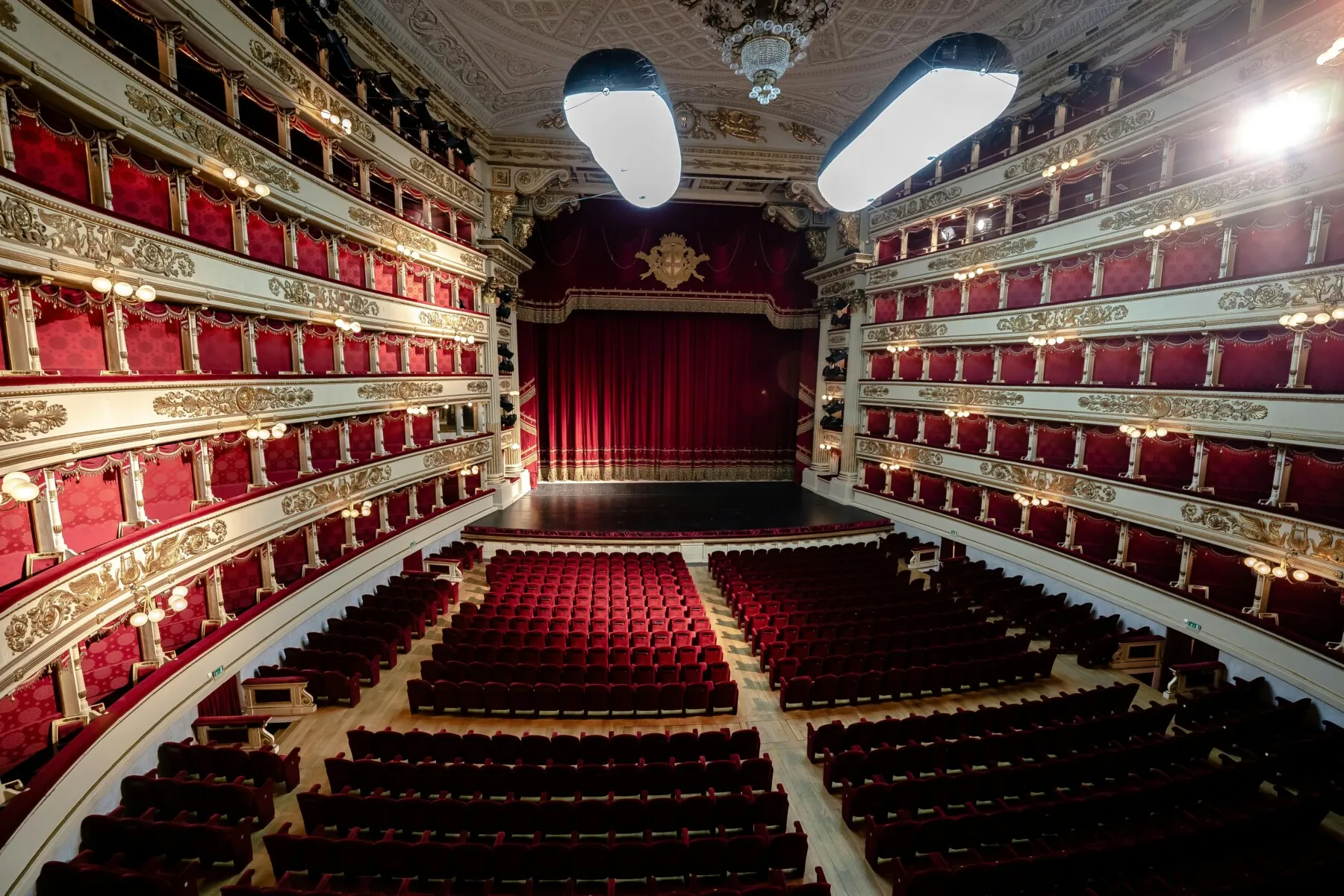
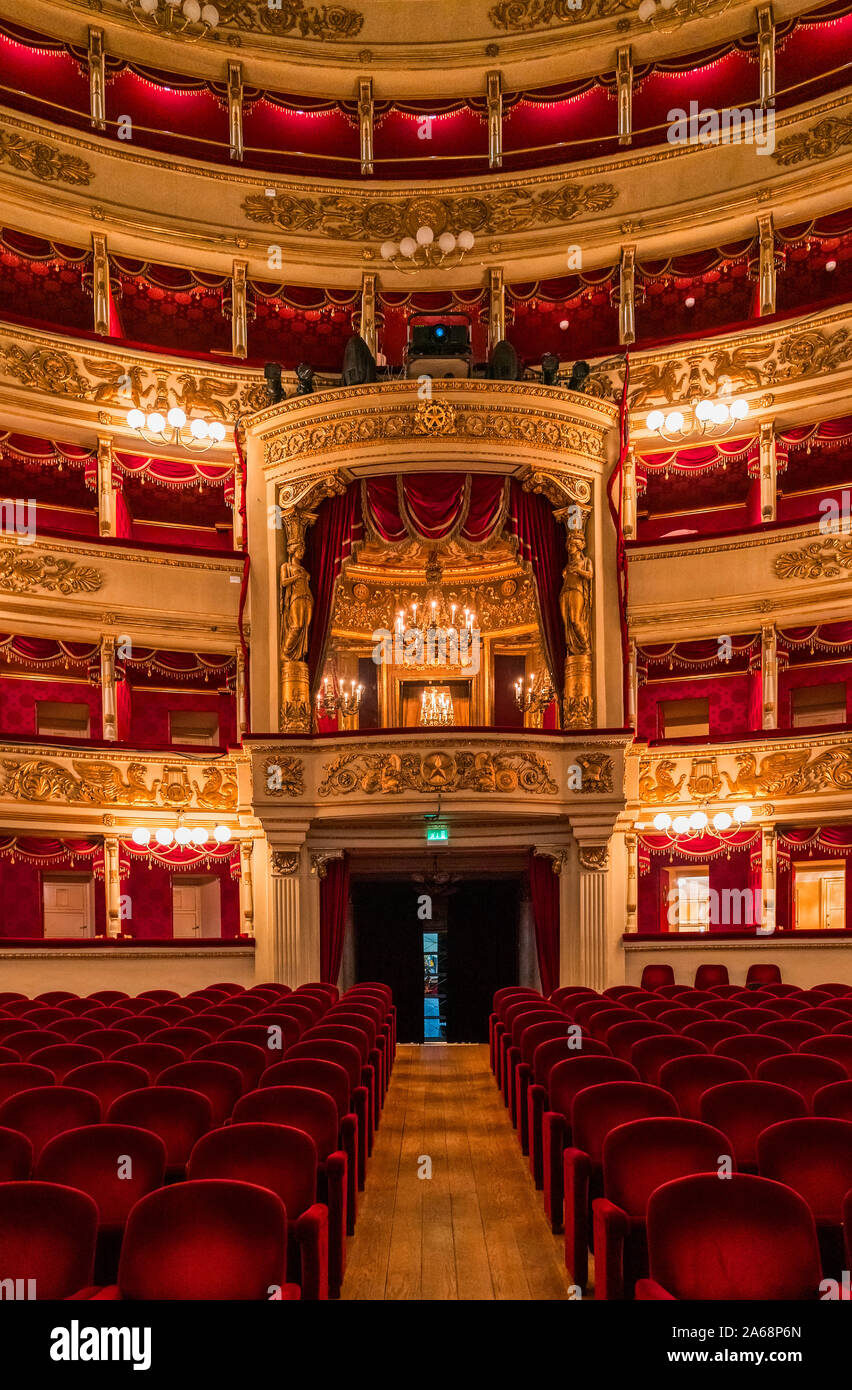
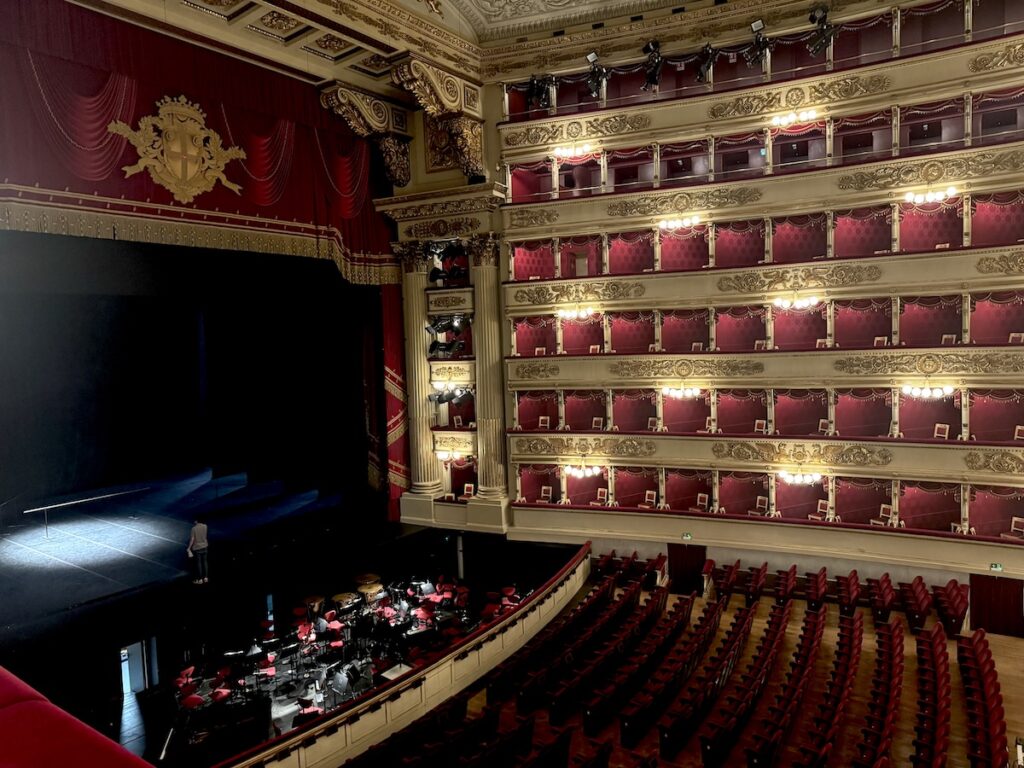
Gilded boxes above a silent stage, history in every seat.

142K+ travelers chose this
Free Cancellation
Right now: Moderate — summer weekend footfall Last admission is 17:00; arrive by mid-morning to view the auditorium before rehearsal closures
1-1.5 hours recommended
1 Languages
Up to 20 people
Free Cancellation
Free cancellation Instant confirmation Mobile voucher Verified partner Skip-the-line
1778
Theatre opened
Inaugurated 3 August 1778
1913
Museum founded
Opened 8 March in Casino Ricordi
2,030
Auditorium seats
Horseshoe-shaped hall
6 tiers
Boxes stacked
Plus the loggione galleries above
Choose your ticket

Ticket options at a glance

Compare fares, pick the fit — all bookings are mobile-voucher and eligible for free cancellation where shown.

Milan La Scala Theatre & Museum Guided Tour 1 hr 30 min
Guided Experience

Milan La Scala Theatre & Museum Guided Tour

4.6 (2773)
€40
  • Expert local guide
  • Small group
  • Skip-the-line access
  • Free cancellation
Book this ticket
Milan La Scala Theatre: Skip-the-Line Guided Tour 1 hr
Guided Experience

Milan La Scala Theatre: Skip-the-Line Guided Tour

4.4 (871)
€38
  • Expert local guide
  • Small group
  • Skip-the-line access
  • Free cancellation
Book this ticket
Compare options

Which ticket fits your trip?

Choosing the right la scala theatre tour ticket comes down to three official options: a fixed-date museum entry, a flexible open ticket, and a paid guided theatre tour with Royal Box access. Each unlocks a different slice of the theatre and museum, so it pays to match the ticket to what you actually want to see.

Fixed-Date Ticket (Timed Entry) Open Ticket (Flexible Entry) Top pick
Guided Theatre Tour (Royal Box & Backstage)
View/access Museum galleries + third-level box Museum galleries + third-level box
Areas included Casino Ricordi museum rooms only Casino Ricordi museum rooms only
Access method Booked date and time slot Any date, no fixed time
Auditorium view Third-level box, no rehearsals/shows Third-level box, no rehearsals/shows
What's included Self-guided museum + 6 audio tours Self-guided museum + 6 audio tours
Cost 12 EUR Higher than fixed-date, no time lock-in
Best for Budget-minded, planned visit day Travelers unsure of exact visit time

Verdict: First-time visitors after the full skip-the-line la scala experience should book the guided theatre tour, while those just wanting a quick, budget museum stop can stick with the fixed-date or open ticket.

Is it worth it?

Worth it for opera fans and first-timers

At €12, the la scala theatre tour is one of Milan's better-value cultural entries. That flat fee covers the Museo Teatrale alla Scala: composer portraits, Verdi and Toscanini memorabilia, historic costumes, and rare instruments tracing two centuries of opera. The catch is the auditorium. Access to the red-and-gold horseshoe hall depends on rehearsal schedules, and a working theatre closes its boxes without warning, so the tour of the interior isn't guaranteed. Arriving at opening, between 09:30 and 10:30, gives you the best shot before midday crowds and rehearsal lockouts. For opera lovers, first-time visitors, and anyone already circling the Quadrilatero and nearby Milan landmarks, this Milan theatre tour pays off easily. If you have no interest in stagecraft or musical history and only want the balcony photo, the value thins. Judged against pricier city attractions, la scala theatre tour tickets remain a modest, sensible spend.

What makes it worth it

  • Flat €12 covers the full museum collection
  • Rare Verdi and Toscanini memorabilia on display
  • Central location beside the Quadrilatero shopping district
  • Opening-time entry beats midday crowds easily
  • Strong value versus pricier Milan attractions

Keep in mind

  • Auditorium access not guaranteed during rehearsals
  • Boxes can close with no warning
  • Limited appeal without opera or history interest
  • Interior can feel small for some visitors

Bottom line: For anyone curious about opera or seeing Milan for the first time, this la scala theatre tour is an easy yes; pure balcony-hunters can skip it.

Featured Experiences

Popular tours & activities

Hand-picked experiences loved by thousands of travelers

Recommended Experience

Powered by GetYourGuide

Another traveler favorite

Powered by GetYourGuide
Milan: La Scala Theatre & Museum Entry Ticket Approximately 1–1.5 hours

Milan: La Scala Theatre & Museum Entry Ticket

Step inside one of opera's most hallowed venues and explore 200+ years of musical legacy.

4.3 (2714)
FromFrom €15.96
See details
Milan: La Scala Opera House & Duomo Cathedral Walking Tour 2 hours Free Cancellation

Milan: La Scala Opera House & Duomo Cathedral Walking Tour

Uncover Milan's cultural soul with expert-guided visits to La Scala and the Gothic Duomo.

4.7 (71)
FromFrom €68
See details
Milan: La Scala Theater & Museum Guided Tour 1 hour Free Cancellation

Milan: La Scala Theater & Museum Guided Tour

Step inside one of opera's most iconic venues — explore the stage, museum, and storied halls of La Scala.

4.2 (3111)
FromFrom €39
See details
Your journey

Step-by-step — what your day looks like

1

Arrive and check bags

Enter via Largo Ghiringhelli 1, pass bag check, collect audio guide if desired.

2

Ground floor galleries

View costumes, instruments, and composer portraits including the Steinway once owned by Franz Liszt.

3

Third-tier boxes

Walk to the boxes for a view into the horseshoe-shaped auditorium, subject to rehearsal schedules.

4

Upper floor and library

Continue past set-design sketches and the Biblioteca Livia Simoni collection.

5

Gift shop and exit

Browse opera memorabilia and books before leaving via Piazza della Scala.

What you'll see

Highlights not to miss

Third-Tier Boxes

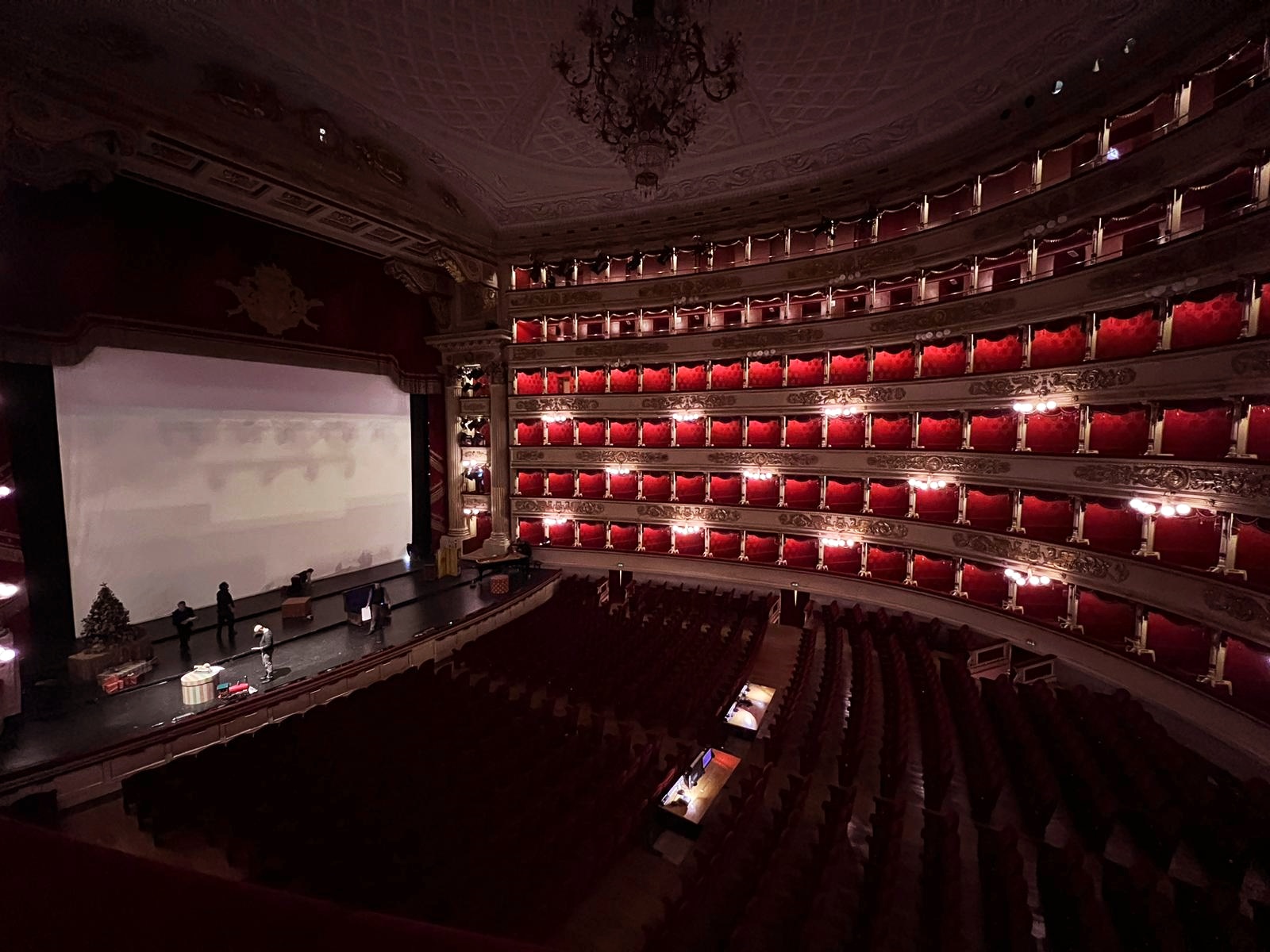
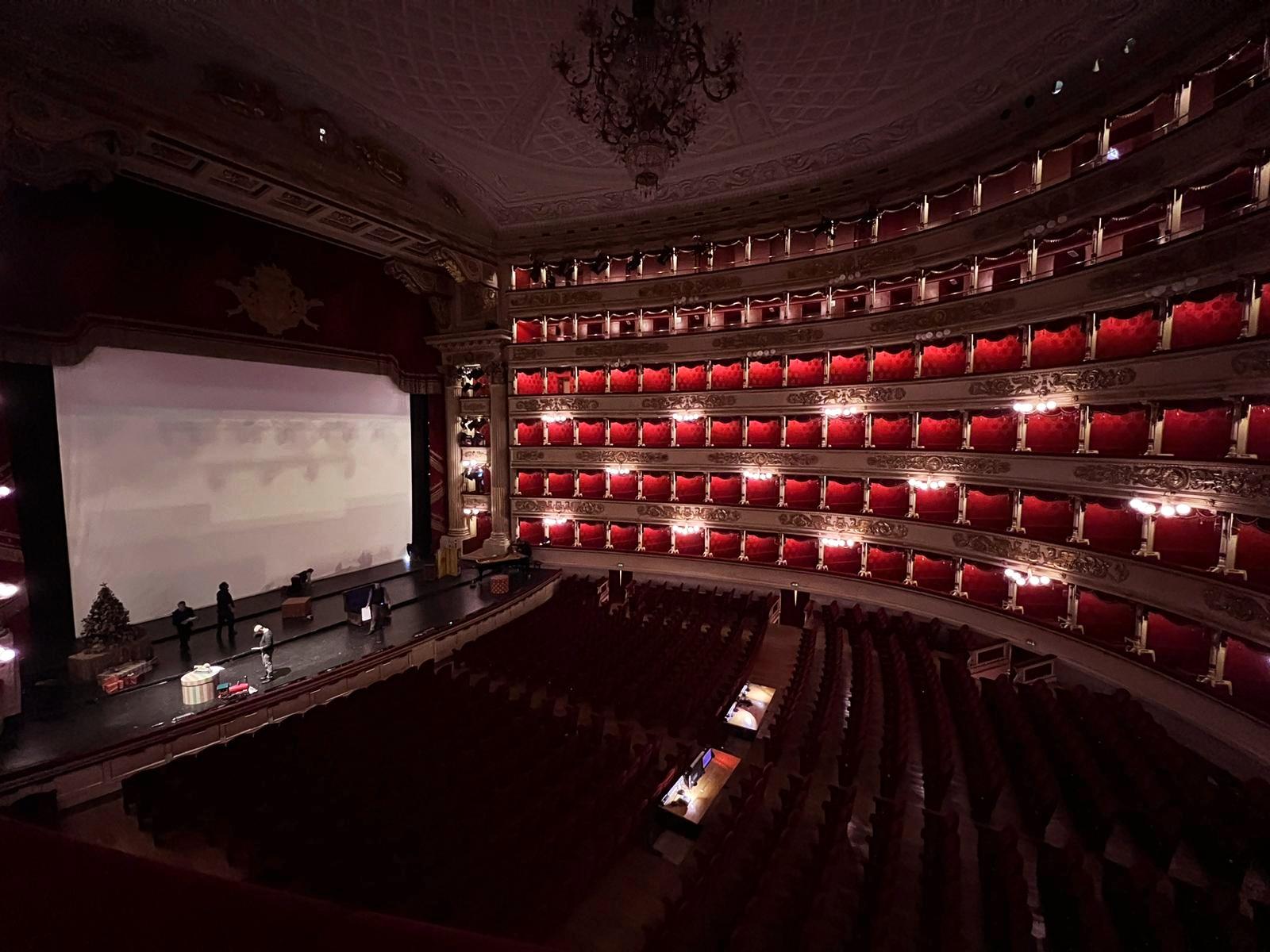
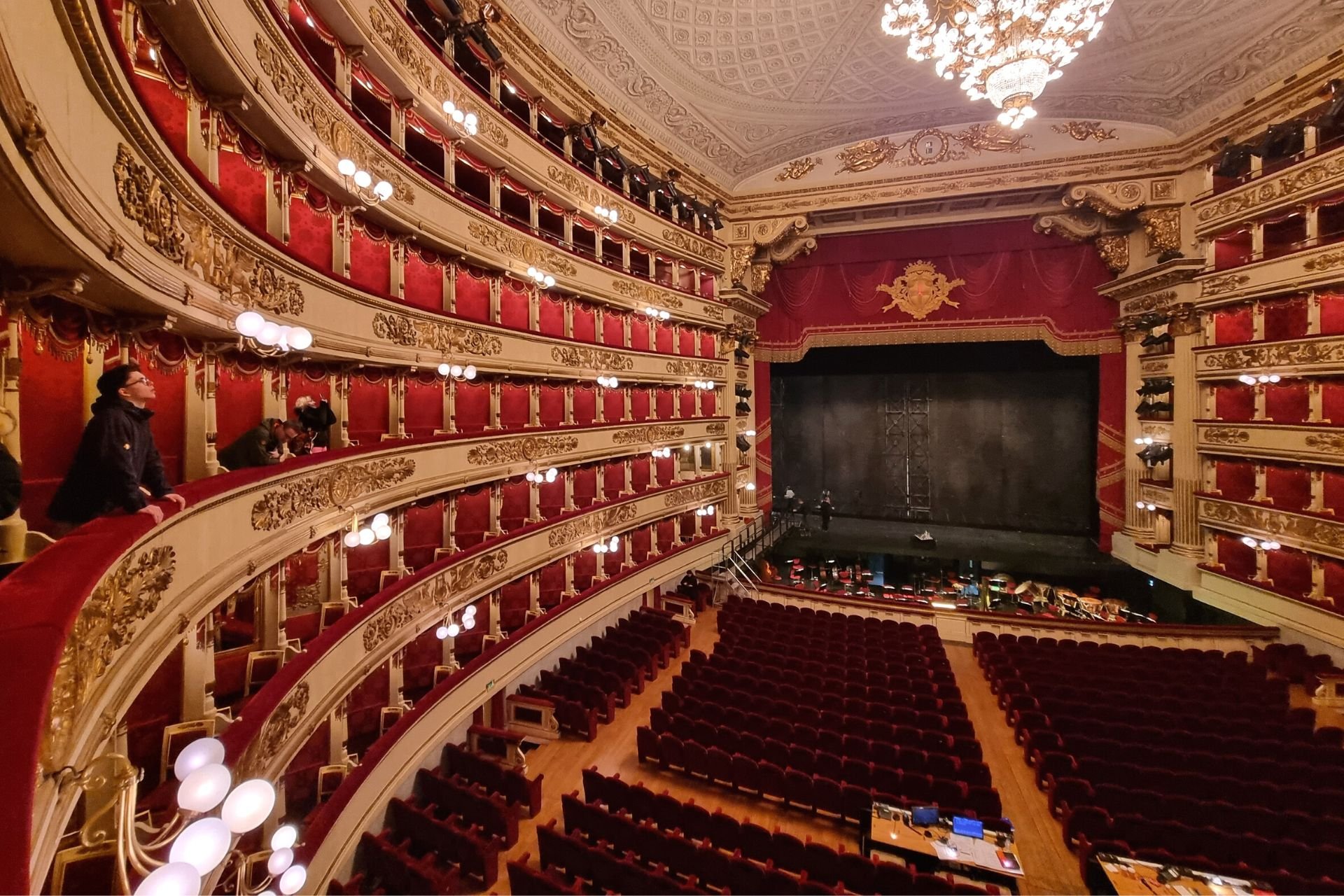
These boxes let museum visitors look directly into the horseshoe-shaped auditorium, which seats over 2,000 people across four tiers and two galleries. Access is suspended whenever a rehearsal or performance is underway, so the view is not guaranteed on every visit.

Liszt's Steinway Piano

Displayed in the museum's first room, this grand piano belonged to Hungarian composer Franz Liszt and remains one of the collection's signature objects. It anchors a gallery dedicated to 19th-century performance and composition.

Biblioteca Livia Simoni

Formed in 1952 from a donation of 40,000 volumes, this library on the museum's second floor holds scores, librettos, and theatrical texts spanning two centuries. It remains a working research collection for opera scholars.

Sambon Collection Galleries

The museum's founding holdings trace to a private collection acquired at auction in 1911, purchased jointly by the Italian state and fifty private citizens two years before the museum opened in 1913. The rooms display costumes, set-design sketches, and autograph scores from that original acquisition.

Canova Bust of Tacchinardi

Sculpted by Antonio Canova, one of Neoclassicism's most influential artists, this bust portrays tenor and cellist Nicola Tacchinardi. It sits among the museum's collection of sculptures with musical themes.

Commedia dell'Arte Ceramics

A room of the museum displays ceramic figures portraying stock characters from commedia dell'arte alongside board games once played in the theatre's foyer, offering a lighter counterpoint to the opera-focused galleries.

The experience

What the visit is really like

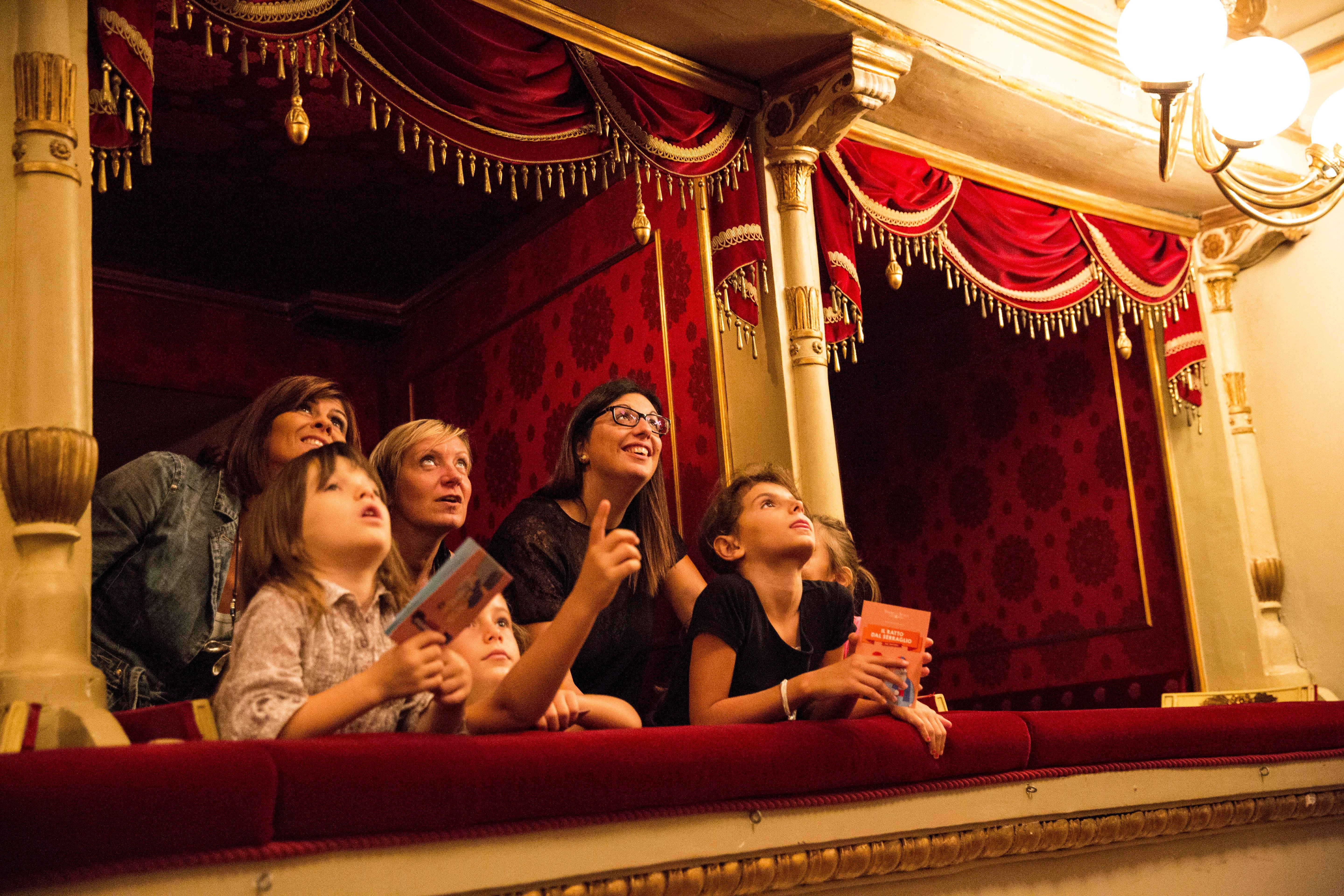
You enter from Largo Ghiringhelli and collect your ticket for the Museo Teatrale alla Scala, where the la scala theatre tour begins among portraits of composers and glass cases holding Verdi's top hat and antique instruments. You move slowly through the galleries, pausing at the set-design maquettes and the busts of Rossini and Bellini before the corridors funnel you toward the reason most visitors come. A door opens onto a box, and the auditorium unfolds below you. You lean against the velvet rail and look across six tiers of gilded palchi to the great crimson chandelier and the vast stage beyond. If a rehearsal is underway, the box stays closed and you watch the schedule instead — one reason the room is not always accessible. You take your time reading the sightlines the aristocracy once paid for, noticing how close the stage feels from even the upper levels. Back in the museum, you drift through the library's shelves and the costume displays, matching names on the scores to the premieres you half-remember. When you step back onto the piazza, Piermarini's restrained façade looks different — no longer a monument but a working house you have seen from the inside, its silence still humming with the memory of applause.

Everything You Need to Know

Your complete experience guide

All the details about your upcoming adventure in one place

La Scala Theatre Tour in Milan

A la scala theatre tour guides you through the gilded auditorium, private boxes, and the Teatro alla Scala museum, where costumes, portraits, and Verdi manuscripts trace two centuries of opera house history. Walking through the horseshoe hall and backstage corridors, you sense why this Milan landmark remains a beating heart of Italian musical tradition. Guided la scala theatre tour tours pair the museum galleries with access to the balcony overlooking the stage when rehearsals allow.

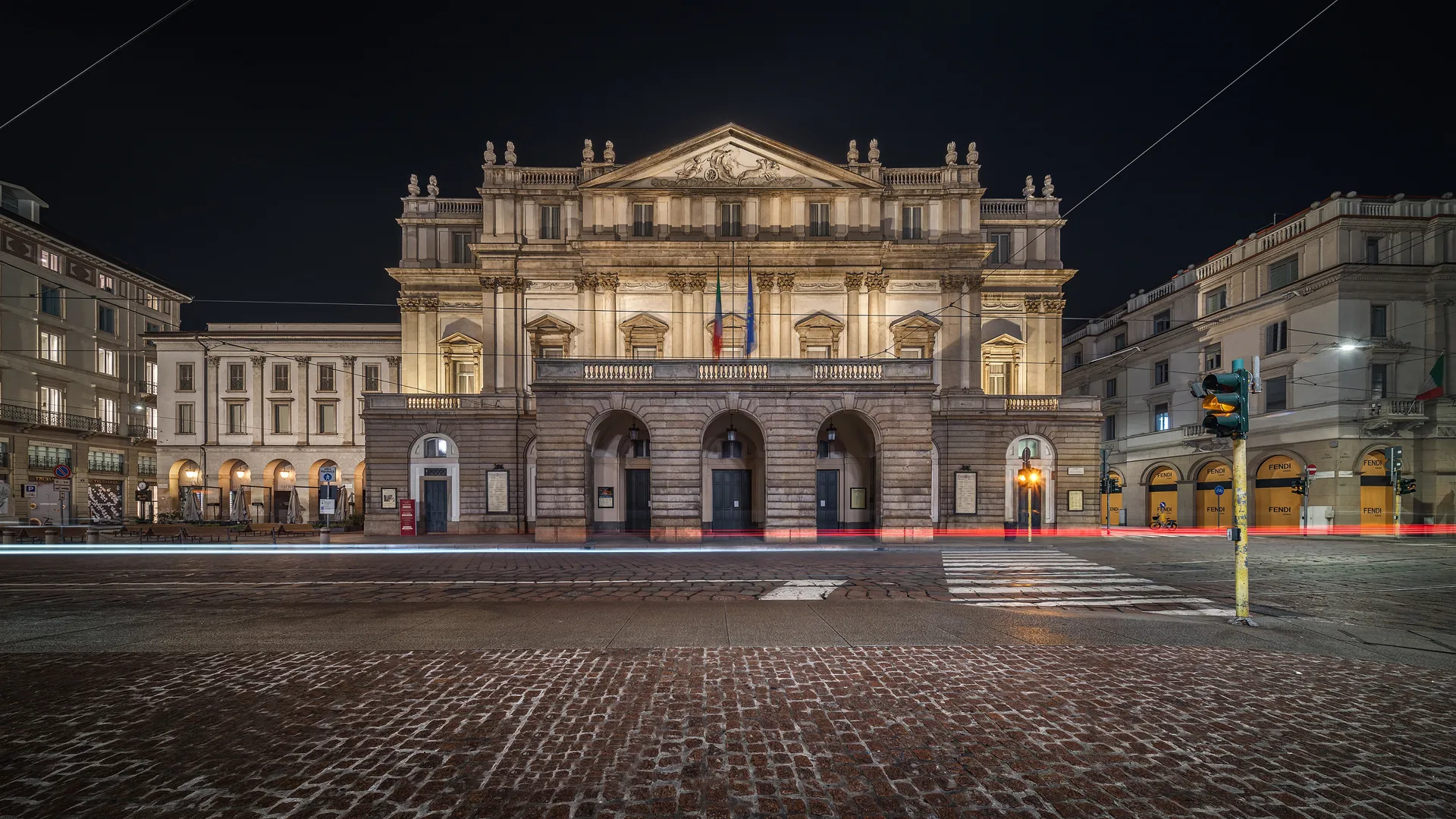
Teatro alla Scala rose from ashes, quite literally: the Teatro Regio Ducale burned down during Carnival in 1776, and Empress Maria Theresa authorised a replacement on the site of the deconsecrated church of Santa Maria alla Scala, from which the house takes its name. Giuseppe Piermarini's neoclassical design opened on 3 August 1778 with Antonio Salieri's L'Europa riconosciuta, and a la scala theatre tour still traces the bones of that original plan beneath later restorations. The house matters today because it remains a working temple of Italian opera rather than a museum piece. Verdi's Nabucco premiered here in 1842, its chorus "Va, pensiero" becoming an anthem of a nation not yet unified; Puccini's Madama Butterfly and Turandot both saw their first curtains raised on this stage. Toscanini conducted here for decades, and the theatre's acoustics — shaped by the horseshoe auditorium and its tiers of boxes — are studied as a benchmark. Allied bombing gutted the building in 1943; it reopened in 1946 under Toscanini's baton, a moment Milan treated as civic resurrection. Architecturally, the teatro alla scala tour reveals a structure built for sightlines and sound. Six tiers of boxes climb toward the gallery, the palchi once owned outright by aristocratic families who furnished them privately. The great chandelier, restored crimson and gilt, hangs above 2,000 seats. A meticulous renovation by architect Mario Botta, completed in 2004, added a stark elliptical stage tower and rehearsal volumes behind the historic façade without altering Piermarini's front on the piazza — a controversial marriage of eighteenth-century restraint and contemporary engineering. The Museo Teatrale alla Scala, founded in 1913, anchors the visit with a collection that reads like a genealogy of European performance. Portraits of composers line the galleries alongside Verdi's top hat, plaster casts, antique instruments, and set-design maquettes; original scores and librettos document premieres that reshaped the operatic canon. Costumes worn by legendary sopranos sit near busts of Rossini and Bellini, and the library holds tens of thousands of volumes on music and stagecraft. Among Milan landmarks, few compress so much cultural weight into a single address on Largo Ghiringhelli. Standing in a box gives the fullest measure of the place. From the tiered horseshoe, the stage appears close and the acoustic intimate, explaining why singers speak of the house with something near reverence. This is why the la scala theatre tour endures as more than sightseeing — it is a passage through the physical memory of opera, where architecture, archive, and living performance occupy the same walls, and where the silence of an empty auditorium carries the weight of two and a half centuries of premieres.

From the tiered horseshoe the stage appears close and the acoustic intimate, explaining why singers speak of the house with something near reverence.

Dress code

Casual, comfortable clothing is fine for a daytime la scala theatre tour of the museum, since this is a self-guided visit rather than an evening performance. Visitors attending an actual opera or ballet performance at Teatro alla Scala in the evening are expected to dress smart-casual to formal, but no dress code applies to the museum-only ticket.

Bags & security

Bags are screened at the Largo Ghiringhelli 1 entrance before entering the museum rooms and the third-tier boxes overlooking the auditorium. Large suitcases, backpacks over cabin size, and bulky camera equipment are not allowed inside and should be left at the hotel, since the museum has no full-size luggage storage.

Photography

Photography without flash and without tripods or selfie sticks is permitted throughout the Museo Teatrale alla Scala galleries and from the third-tier boxes when the auditorium is open for viewing. Photography is suspended whenever a rehearsal or performance is underway inside the theatre, since the boxes are then closed to museum visitors.

Families & strollers

Children aged 6 and under enter the Museo Teatrale alla Scala free of charge, and a dedicated self-guided itinerary for kids is available through the museum's free app. The route is mostly flat with a short corridor and staircases between some rooms, manageable with a stroller if folded for the box-viewing section.

Accessibility

The museum entrance on Largo Ghiringhelli has a ramp and wide doorway, and an elevator reaches both the exhibition rooms and the third-tier boxes for viewing the auditorium. Wheelchair users should ask staff at the entrance to operate the lift, and admission is free for disabled visitors and one companion.

Food & drink

No food or drink is permitted inside the museum galleries or the theatre boxes, and there is no café within the museum itself. Several cafés and pasticcerie line Via Manzoni and Piazza della Scala just outside, suitable for a coffee before or after the visit.

Not allowed

× Large suitcases × Backpacks over cabin size × Tripods × Selfie sticks × Flash photography equipment × Food and drink × Umbrellas (open) × Sharp objects × Drones × Glass containers × Loud audio devices without headphones × Pets other than service animals

What to bring

✓ Printed or digital ticket ✓ Valid ID for reduced-rate tickets ✓ Comfortable walking shoes ✓ Light jacket for air-conditioned rooms ✓ Small daypack ✓ Phone or camera without flash

Opening hours

Mon 09:30 – 17:30

Quiet, good for a relaxed la scala theatre tour

Tue 09:30 – 17:30
Wed 09:30 – 17:30

Mid-week, moderate footfall

Thu 09:30 – 17:30
Fri 09:30 – 17:30

Busier toward afternoon

Sat 09:30 – 17:30

Peak day, expect queues

Sun 09:30 – 17:30

Popular with weekend visitors

Closures & exceptions

  • ·Jan 1 — New Year's Day
  • ·Easter Sunday — Easter closure
  • ·May 1 — Labour Day
  • ·Aug 15 — Ferragosto
  • ·Dec 7 — Sant'Ambrogio (Feast Day)
  • ·Dec 25 & 26 — Christmas closure

At a glance

Hours

Daily 09:30 – 17:30, last admission 17:00

Address

Largo Ghiringhelli 1, 20121 Milan, Italy

Access

Elevator to museum rooms and third-tier boxes, ask staff for assistance

Best arrival

09:30–10:30 to avoid midday crowds and rehearsal closures

Bag policy

Small bags allowed, large luggage and backpacks must be checked

Getting there

Public transport · 5-10 min from Duomo · Single ticket around 2.20 EUR

Take metro line M1 or M3 to Duomo station, then walk roughly 5 minutes north through Piazza della Scala to reach the museum entrance at Largo Ghiringhelli 1.

Walk · 10-15 min · Free

From Piazza del Duomo, walk through Galleria Vittorio Emanuele II toward Piazza della Scala; the theatre and museum entrance sit on the square's northwest side.

Tram · 10-15 min including tram ride · Single ticket around 2.20 EUR

Tram lines 1 and 2 stop at Via Manzoni or Piazza della Scala, a short walk from the museum entrance.

Taxi · 5-10 min · 10-15 EUR

Taxis and ride-hailing apps reach Piazza della Scala from most central Milan hotels in under 10 minutes barring traffic.

Cancellation policy

Museo Teatrale alla Scala tickets, priced at 12 EUR for a full-price adult entry, cannot be modified, cancelled, or refunded once purchased. Refunds are issued only if the museum itself cancels a scheduled opening or guided visit.

Plan your time

How long do you need?

Recommended time

1-1.5 hours

A self-paced la scala theatre tour typically takes 1 to 1.5 hours, covering the museum's instrument and costume rooms plus a look into the auditorium from the third-level boxes, subject to whether a rehearsal is underway. Add 20-30 minutes if you linger over the memorabilia galleries; subtract time if the boxes are closed for a rehearsal and you skip straight through. Arriving at opening keeps queues short and gives better odds of an unobstructed view of the hall before rehearsal blocks begin. Later slots carry heavier foot traffic from walk-up visitors and nearby Duomo day-trippers, though the museum itself rarely feels packed compared to Milan's larger sights.

Crowd levels through the day

Opening (09:30-10:30) Light
Late morning (10:30-12:00) Moderate
Midday (12:00-14:00) Busy
Early afternoon (14:00-15:30) Busy
Late afternoon (15:30-17:00) Moderate
Final entry (17:00-17:30) Light
Plan ahead

When to go — year at a glance

Weather · crowds · average price — dots go green to amber to red as each metric rises.

Spring

March to May brings mild 12–20°C weather and moderate crowds, making a la scala theatre tour comfortable before the summer rush. Fashion Week in late February can add foot traffic nearby.

Summer

June through August is peak tourist season in Milan with warm 25–32°C days and the busiest queues at the museum entrance. Many Milanese residents are away in August, but visitor numbers from abroad stay high.

Autumn

September and October offer cooler 15–22°C days and thinner crowds, coinciding with the opening of the new opera season in early December preparations.

Winter

December to February is quietest overall apart from the Sant'Ambrogio opening night on December 7, when the surrounding piazza gets busy with press and patrons.

Insider tips

Helpful tips for your visit

Book online in advance

Reserve your la scala theatre tour ticket through museoscala.org to skip the on-site queue, especially on Saturdays.

Check the rehearsal calendar

The third-tier box viewing into the auditorium closes during rehearsals, so check the museum's daily schedule notice at the entrance.

Combine with the Duomo

Pair the visit with Milan Cathedral and the Galleria Vittorio Emanuele II, both within a 10-minute walk.

Bring ID for discounts

Students over 12 and visitors over 65 need a valid ID to claim the reduced ticket price.

Use the free app

Download the museum's official app before arrival for six self-guided thematic routes, including one for children.

Watch for free-entry categories

ICOM members, uniformed soldiers, and Teatro alla Scala subscribers enter free without pre-booking.

Mind the December schedule

On December 24 and 31 last admission moves earlier to 14:30, so plan a morning visit if traveling then.

Where to meet

Meeting points

Museo Teatrale alla Scala entrance

Largo Ghiringhelli 1, 20121 Milan

Main entry point for individual and group tickets

Get directions

Piazza della Scala

Piazza della Scala, 20121 Milan

Open square in front of the theatre, common gathering spot for guided groups

Get directions
The story

The history behind the site

The theatre rose from ash. On 26 February 1776 fire destroyed Milan's Teatro Regio Ducale. Empress Maria Theresa authorised a replacement, and architect Giuseppe Piermarini designed a neoclassical house on the site of the deconsecrated church of Santa Maria alla Scala, which gave the theatre its name. It opened on 3 August 1778 with Antonio Salieri's Europa riconosciuta. Any la scala theatre tour begins with that founding gesture: a public house built for opera in the Enlightenment city. The nineteenth century belonged to Giuseppe Verdi. His Oberto premiered here in 1839, and Nabucco followed in 1842, binding the composer to the house for decades. In 1898 Arturo Toscanini took the podium as principal conductor, reforming orchestral discipline and repertoire. A Milano Teatro alla Scala tour today traces these figures through the auditorium and the archive. The Museo Teatrale alla Scala was founded in 1913, its collection seeded by the purchase of the Sambon antiquarian holdings, and it preserves the memory that any Milan landmarks itinerary depends upon. Disaster returned in August 1943, when Allied bombing gutted the theatre during the Second World War. Reconstruction under engineer Luigi Secchi restored Piermarini's lines, and the house reopened on 11 May 1946 with a concert conducted by Toscanini, newly returned from exile. That evening remains the emotional centre of most la scala theatre tour tours. The post-war years brought Maria Callas, whose Scala performances between 1950 and 1958 redefined the soprano repertoire and the theatre's international standing. Between 2002 and 2004 the architect Mario Botta oversaw a controversial modernisation, adding a stage tower and an elliptical volume that critics debated fiercely. The house reopened on 7 December 2004, Saint Ambrose's day, with Salieri's founding opera restaged. Visitors booking la scala theatre tour tickets now enter a building layered with these interventions. The self-guided la scala theatre tour tour of the museum and boxes, drawn from a permanent collection of instruments, portraits, and Verdi relics, lets each guest read that arc directly. What survives is continuity: the same footprint, the same acoustic ambition, the same repertoire that Piermarini's house was built to hold.

1778

Piermarini's theatre opened on 3 August with Salieri's Europa riconosciuta.

1839

Verdi's first opera Oberto premiered at the house.

1898

Arturo Toscanini became principal conductor and reformed the orchestra.

1913

The Museo Teatrale alla Scala was founded from the Sambon collection.

1943

Allied bombing gutted the theatre during the Second World War.

1946

The rebuilt house reopened on 11 May with a Toscanini concert.

1950s

Maria Callas redefined the soprano repertoire across the decade.

2004

Botta's restoration reopened the theatre on 7 December.

Photo spots

Best photo spots

Third-Level Boxes Auditorium View

Best light · Before 09:00, first entry

The signature shot: the horseshoe auditorium, six tiers of boxes, and the stage chandelier seen from a third-level box, part of the standard route on any la scala theatre tour. Stand at the front rail of the box for the widest angle, but full auditorium illumination is not guaranteed if rehearsals are underway.

Ridotto dei Palchi Toscanini

Best light · Morning, soft window light

The first grand hall past the entrance, lined with marble columns and bronze busts of Toscanini and Puccini-era conductors. Wide shots from the doorway capture the full colonnade; close-ups work well on the individual busts along the side walls.

Franz Liszt Steinway Piano Room

Best light · Late morning, before groups arrive

The museum's first-room centerpiece: Liszt's 1883 grand coda Steinway, set beneath a lunette and framed by period portraits. Shoot straight-on from a few steps back to include the surrounding gilt frames without glare from overhead lights.

Portrait and Bust Gallery

Best light · Any time, avoid flash

A run of rooms hung with portraits of Verdi, Rossini, Bellini, and Callas alongside marble busts, including Canova's bust of Nicola Tacchinardi. Frame single portraits head-on to avoid ceiling-light glare, or shoot down the gallery corridor for a layered depth effect.

Museum Staircase Entrance Hall

Best light · Opening hour, empty stairs

The grand staircase and reception hall greet visitors first, with chandeliers overhead and historic opera posters lining the walls up to the ticket check. It sets the scene before the collection proper begins and photographs well looking back down the stairs.

Gallery

Moments from the experience

Customer Reviews

What travelers say

Real experiences from real travelers

4.6
Based on undefined reviews
1 ★ 540
2 ★ 420
3 ★ 980
4 ★ 3100
5 ★ 16200
E
Elena R.
Italy · 2026-06-14

Worth every minute

We booked the la scala theatre tour on a warm June morning and had the auditorium almost to ourselves before rehearsal. Standing in the stalls looking up at all six gilded tiers gave a real sense of scale that photos never capture. The guide balanced the museum instruments and the box seats without rushing.

M
Marcus T.
United States · 2026-05-02

The chandelier is huge

Seeing the Cristallo chandelier from a box seat was the moment that stuck with me. Our Milan opera house tour ran about ninety minutes and the guide's stories about Verdi premieres made the empty stage feel alive. Bring a light layer, the interior stays cool even in spring.

S
Sofia M.
Spain · 2026-04-19

Velvet and gold

The red velvet and gilt of the royal box looked exactly as grand as I hoped. I picked up la scala theatre tour tickets a few days ahead and had no trouble at the entrance. The museum portraits of composers were a quiet highlight I hadn't expected.

D
Daniel K.
Germany · 2026-03-08

Good but busy midday

A visita al Teatro alla Scala is well organised, though the galleries got crowded by late morning. The auditorium view from the second tier was the payoff and worth the wait. I'd have liked a little longer near the orchestra pit.

Y
Yuki N.
Japan · 2026-02-11

Quiet winter morning

On a grey February morning the theatre felt hushed and intimate. The guide on our la scala theatre tour pointed out the acoustic details of the horseshoe design that I never would have noticed alone. The costumes and old scores in the museum were beautifully kept.

C
Camila F.
Brazil · 2026-01-27

Loved the boxes

Sitting in one of the private boxes overlooking the stage was the part my family talked about for days. Milan landmarks like this one reward a guided visit rather than wandering solo. The frescoed ceiling above the chandelier is worth craning your neck for.

A
Anna L.
United Kingdom · 2025-11-16

Golden hour glow

We joined a late-afternoon la scala theatre tour tour and the light through the windows on the museum busts was gorgeous. The proscenium arch framing the stage from the royal box is the image I keep coming back to. Staff were patient with questions about the theatre's rebuilding.

T
Thomas B.
France · 2025-09-23

A calm slot pays off

Booking one of the earlier la scala theatre tour tours meant fewer people in the auditorium and better sightlines to the stage. The guide's rundown of the tiered seating and the old instruments kept everyone engaged. Comfortable shoes help, there is a fair bit of standing.

P
Priya S.
India · 2025-07-30

Grand and detailed

The Teatro alla Scala guided visit covered more history than I expected, from the chandelier to the composer portraits. It was warm outside in July so the cool interior was a relief. A touch pricey, but the box seat access made it feel special.

L
Lukas H.
Austria · 2025-05-12

Composer heaven

As someone who loves opera, standing where Verdi conducted was the highlight of my trip. The la scala theatre tour moved smoothly from museum to auditorium to the gilded boxes. The scale of the horseshoe tiers under that chandelier is hard to overstate.

FAQ

Frequently asked questions

Everything you need to know for your journey

Around the corner

Nearby landmarks worth a detour

Milan Cathedral

8 min walk

landmark

Milan's Gothic cathedral dominates Piazza del Duomo with its marble spires and rooftop terraces. It sits a short stroll from Piazza della Scala through the Galleria.

Galleria Vittorio Emanuele II

5 min walk

landmark

This 19th-century glass-domed shopping arcade connects Piazza del Duomo to Piazza della Scala. Its mosaic floors and iron-and-glass roof make it a landmark in its own right.

Piazza della Scala

1 min walk

square

The pedestrian square directly in front of the theatre features a statue of Leonardo da Vinci and Palazzo Marino, Milan's city hall.

Pinacoteca di Brera

12 min walk

museum

This picture gallery in the Brera district holds works by Raphael, Caravaggio, and Mantegna within a 17th-century palazzo.

Sforza Castle

15 min walk

landmark

A 15th-century fortress built by the Sforza dynasty, now housing several city museums and surrounded by Sempione Park.

Where to stay

Where to stay nearby

Brera district

10 min walk

district

An artistic quarter of narrow streets near the museum, known for boutique hotels and galleries.

Grand Hotel et de Milan

3 min walk

luxury

A historic hotel on Via Manzoni once favored by Giuseppe Verdi, steps from the theatre.

Quadrilatero della Moda

10 min walk

luxury

Milan's fashion district with five-star and boutique hotels near Via Montenapoleone.

Central Station area

20 min walk or metro

mid-range

Wider choice of mid-range hotels near Milano Centrale, connected by a direct metro line.

Ready for Adventure?

Join thousands of happy travelers who have discovered this incredible experience

Book Your Experience Now