24 hr
Milan Official City Pass: Duomo + 10+ Attractions
- Multi-attraction access
- Mobile voucher
- Flexible dates
- Free cancellation
Milan Pass — City Transport & Skip-the-Line Entry
One card unlocks the city, one morning sets it moving.
Compare fares, pick the fit — all bookings are mobile-voucher and eligible for free cancellation where shown.
24 hr
3 hr
2 hr
Choosing the right milan pass tier comes down to whether you want attraction access or just unlimited transport, and how many days you'll be exploring the city. The official lineup splits into the transport-only Light card and the attraction-inclusive Full pass, each offered in different validity windows.
| Milan Pass Light (Public transport only) |
Top pick Milan Pass Full 48h (Attractions + transport) |
Milan Pass Full 72h (Attractions + transport) | |
|---|---|---|---|
| Attractions included | — | Duomo terraces, Casa Milan, La Scala and more | Same attraction roster, 72h window |
| Public transport | Unlimited ATM network | Optional add-on | Optional add-on |
| Hop-on hop-off bus | — | Optional add-on | Optional add-on |
| Validity duration | 24h, 48h or 3 days | 48 hours from first use | 72 hours from first use |
| Best for | Riders skipping museums | First-timers balancing sights and budget | Slower-paced, multi-day itineraries |
| See tickets & prices |
Verdict: First-timers wanting skip-the-line access to Milan's landmark sights should pick the 48h Full pass, while transport-only travelers or those staying longer can lean on the Light card or upgrade to 72h milan pass tickets.
Worth it for busy first-time sightseers
The Milan pass carries no single gate fee; you pay a tiered price by duration, so the value hinges on how much you cram in. The break-even math is simple: with the Duomo rooftop, La Scala museum, Sforza Castle, and a couple of skip-the-line Milan attractions tours, individual tickets plus transport quickly total more than the bundle. Two to three paid landmarks combined with unlimited metro and tram rides usually crosses the line. Heavy sightseers who visit four-plus sites and lean on public transport clear the threshold with room to spare. Casual travelers pacing one attraction a day, or people who mostly walk the compact center around the Galleria, rarely recoup it. If your plan already includes the observation-deck views and guided milan pass tickets, the bundle pays off; if not, buy à la carte instead.
Bottom line: Pack three or more paid attractions plus transit into a day and the milan pass tour bundle wins; stroll casually and you will overpay.
For a dense two-day itinerary built around the Duomo, La Scala Museum, and a Navigli cruise, the milan pass edges out Milano Card on headline attractions, while Milano Card wins for travelers who value transport and discounts over free entry to marquee sights.
|
Top pick Milan Pass |
Milano Card | |
|---|---|---|
| What's included | Duomo, La Scala Museum, Navigli cruise, free entry | Discounted/free entry to 500+ sites, no headline freebies |
| Validity period | 48 or 72 hours from activation | 48, 72, or up to 4 days from first use |
| Transport coverage | Unlimited public transport included | Unlimited transport, bike share, €5 taxi credit |
| Best for | Power sightseers hitting major paid attractions | Budget travelers prioritizing discounts and transport |
| Pickup/activation | Digital pass, activate at first attraction | 100% digital app, activate at first use |
| Price approach | Flat tier price for 48h/72h bundle | Flat tier price, discount-percentage model |
| See tickets & prices |
Verdict: Choose the Milan Pass if Duomo, La Scala Museum, and a Navigli cruise are already on your list, since their combined cost alone approaches the pass price; choose Milano Card if your plan leans on public transport and smaller discounted stops rather than big-ticket entries.
Hand-picked experiences loved by thousands of travelers
1 to 3 days (flexible pass)
Free Cancellation
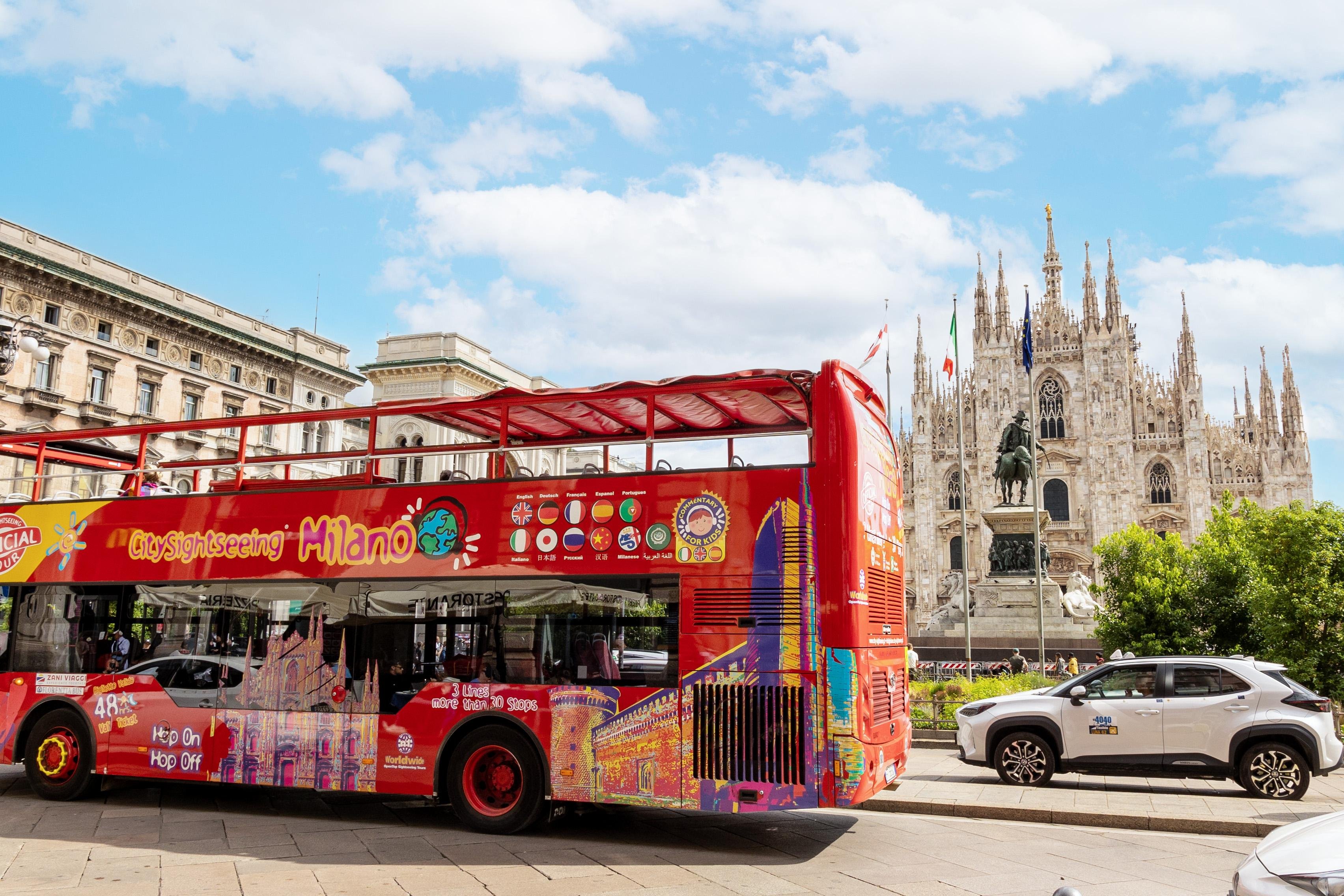
Explore Milan's iconic landmarks at your own pace across 4 connected bus routes with multilingual audio.
Approximately 1.5–2 hours
Free Cancellation
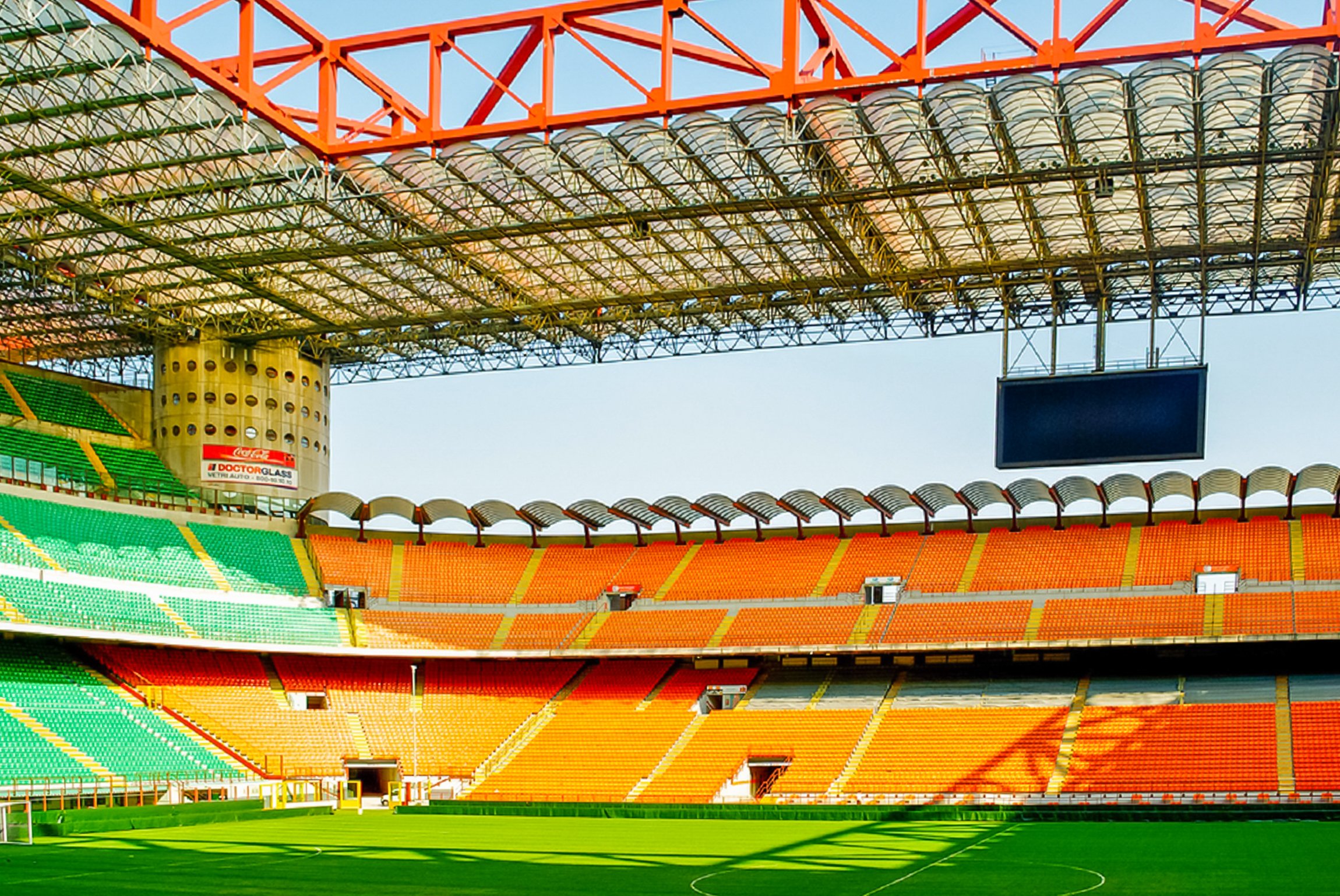
Go behind the scenes at San Siro — walk the tunnel, enter the dressing rooms, and step onto the legendary pitch.
6.5–11 hours
Free Cancellation
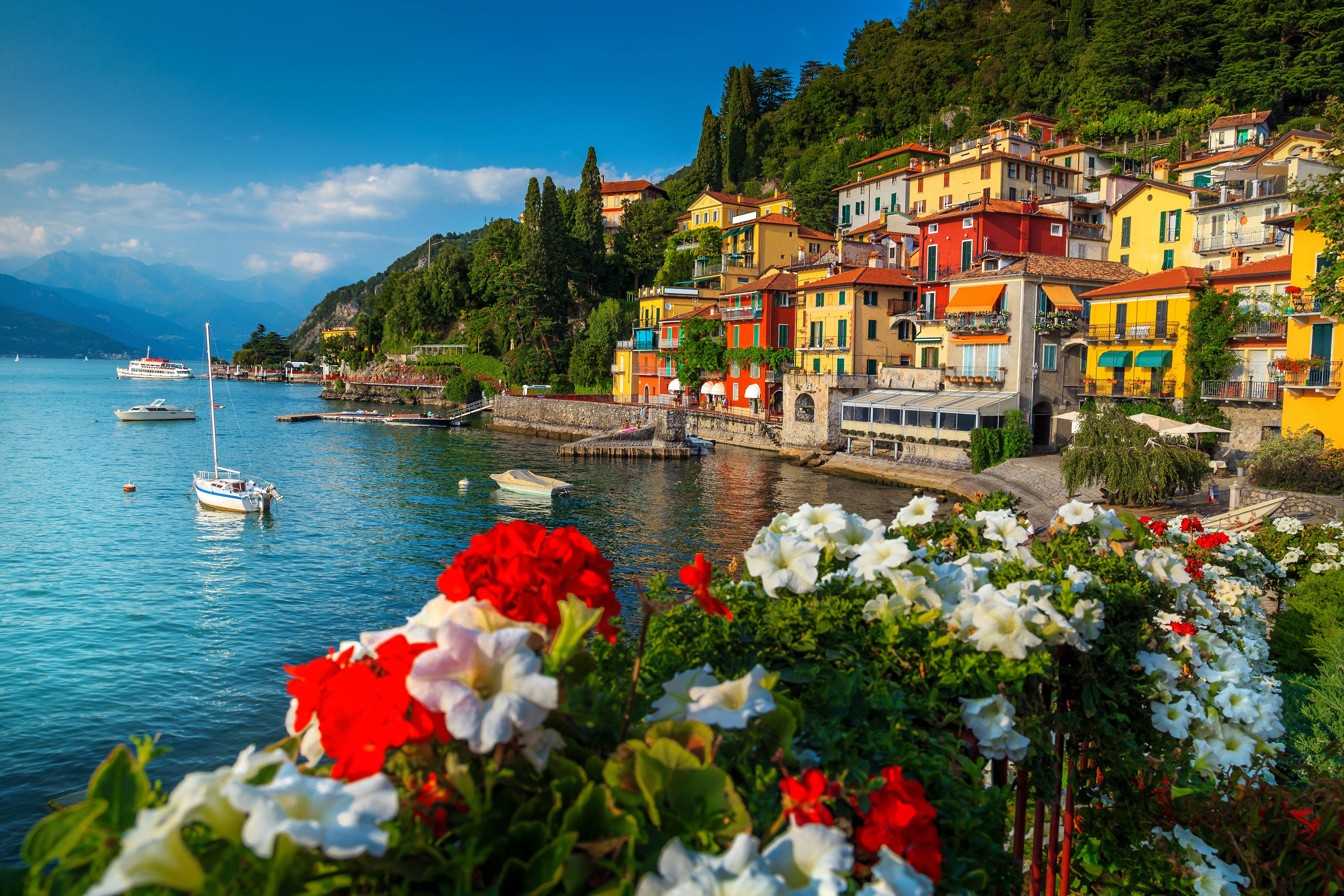
Cruise Lake Como, wander Bellagio's cobbled lanes, and discover Swiss-Italian Lugano on one unforgettable day from Milan.
Collect the milan pass at Largo Cairoli 18 and confirm which attractions are included in your tier
Walk through the castle grounds steps from the pickup point before boarding transport
Use skip-the-line access included in higher tiers to see the cathedral and climb to the terraces
Board one of the four open-top bus lines to reach Navigli, San Siro, or the Fashion Quadrilatero
Visit the gallery and stroll the Brera arts district
End the day along the Navigli canals, reachable by tram or the bus loop
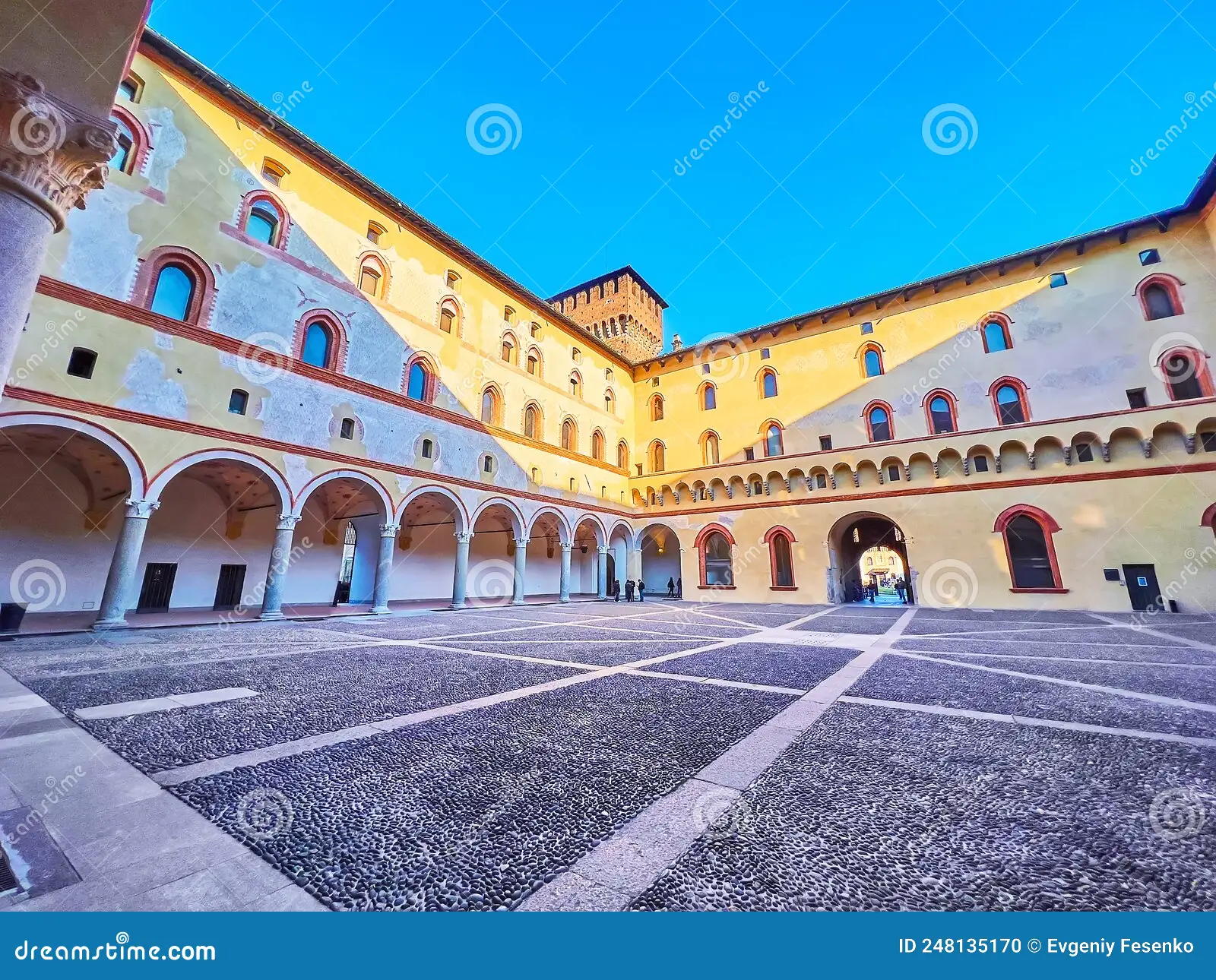
A red-brick 15th-century fortress rebuilt by Francesco Sforza on the site of an earlier Visconti stronghold, it now holds several municipal museums including one displaying Michelangelo's unfinished Rondanini Pietà.
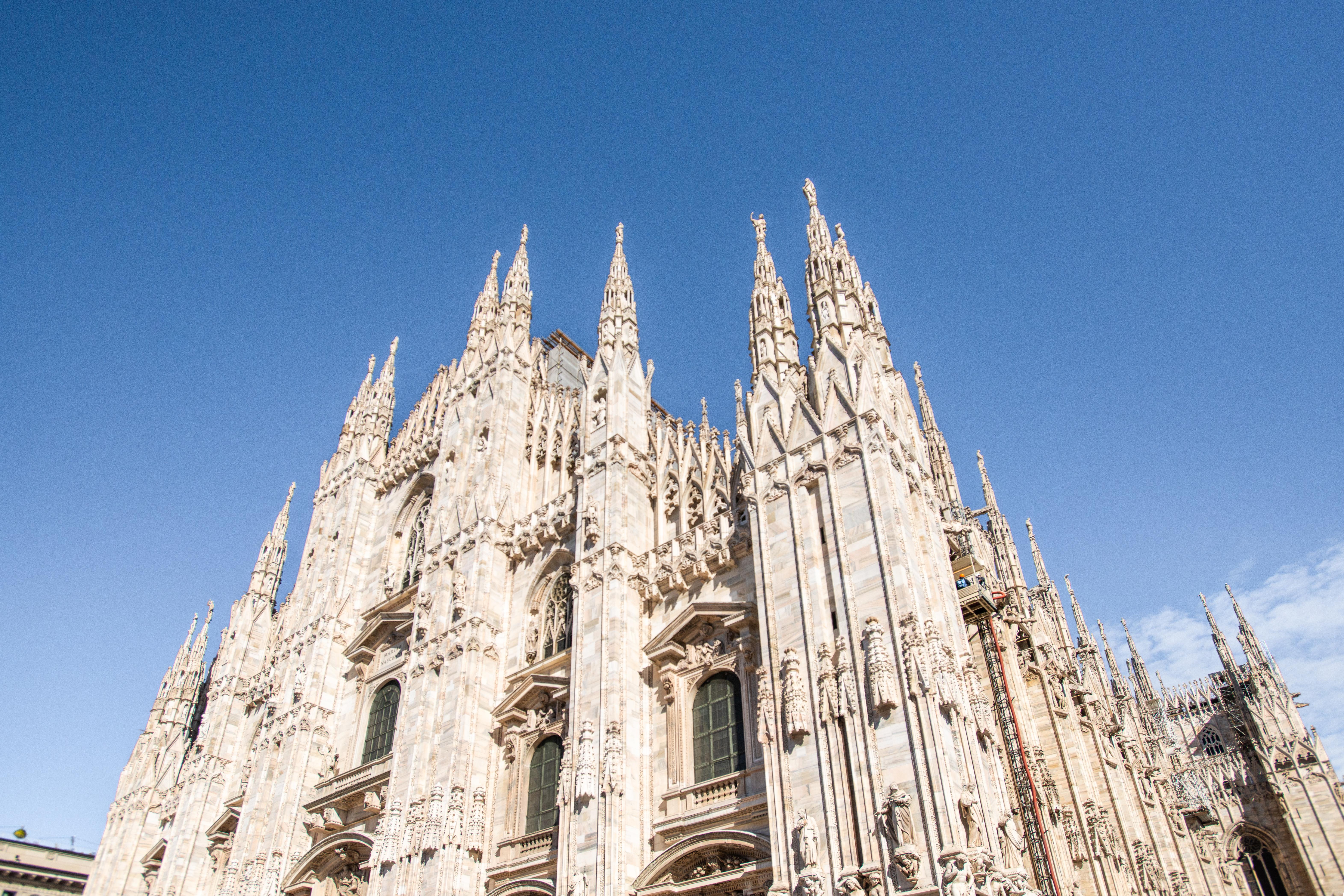
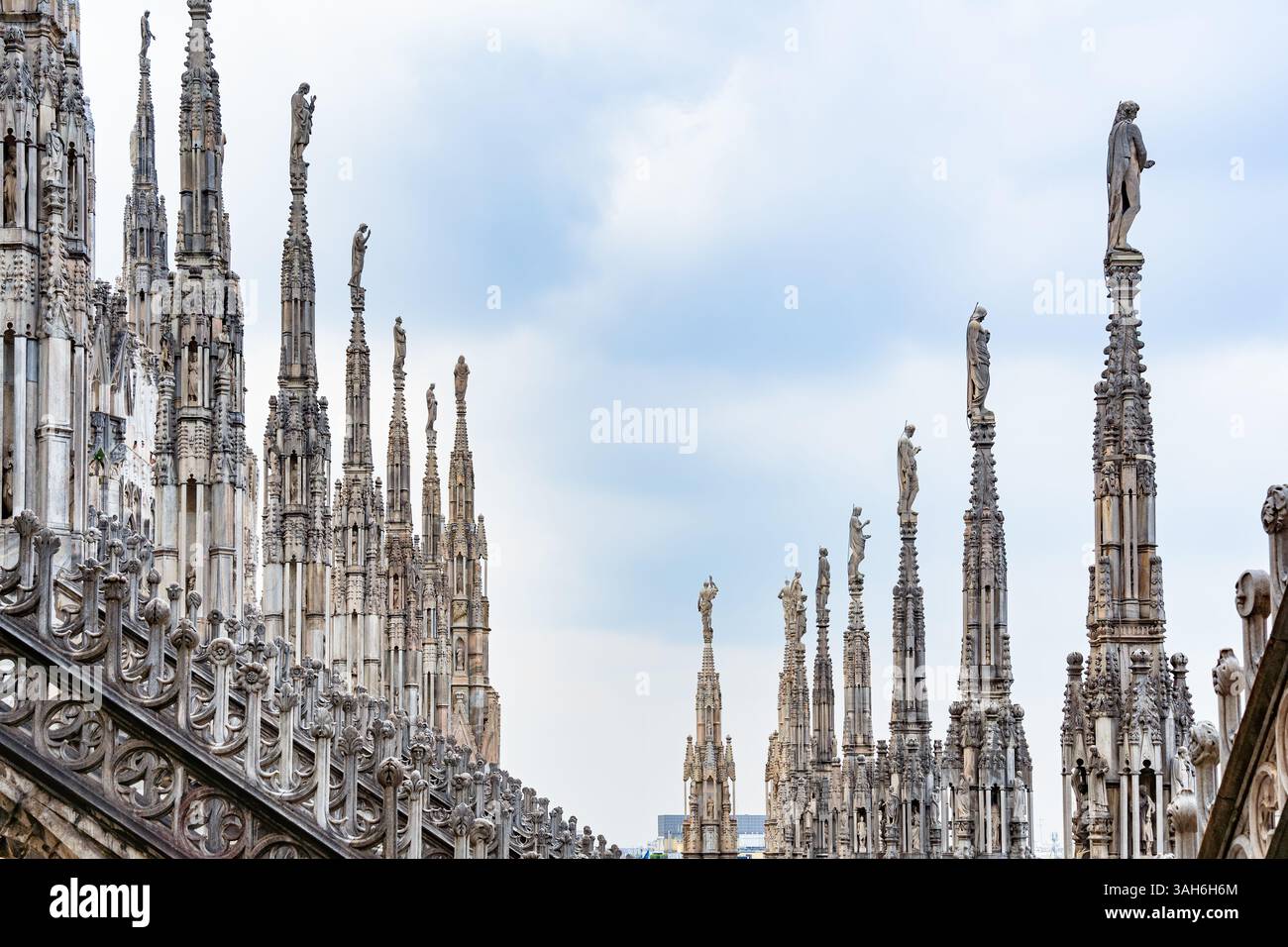
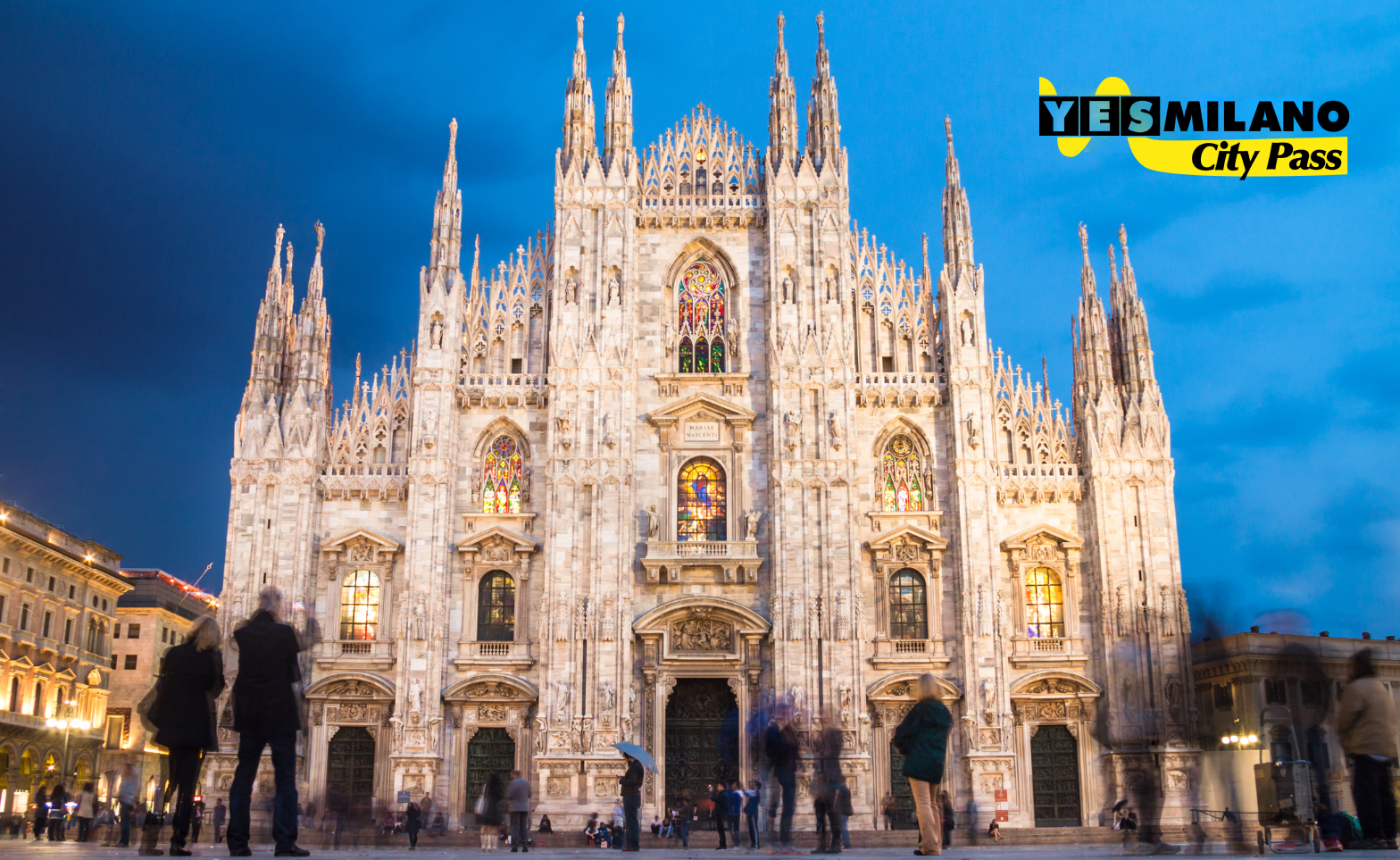
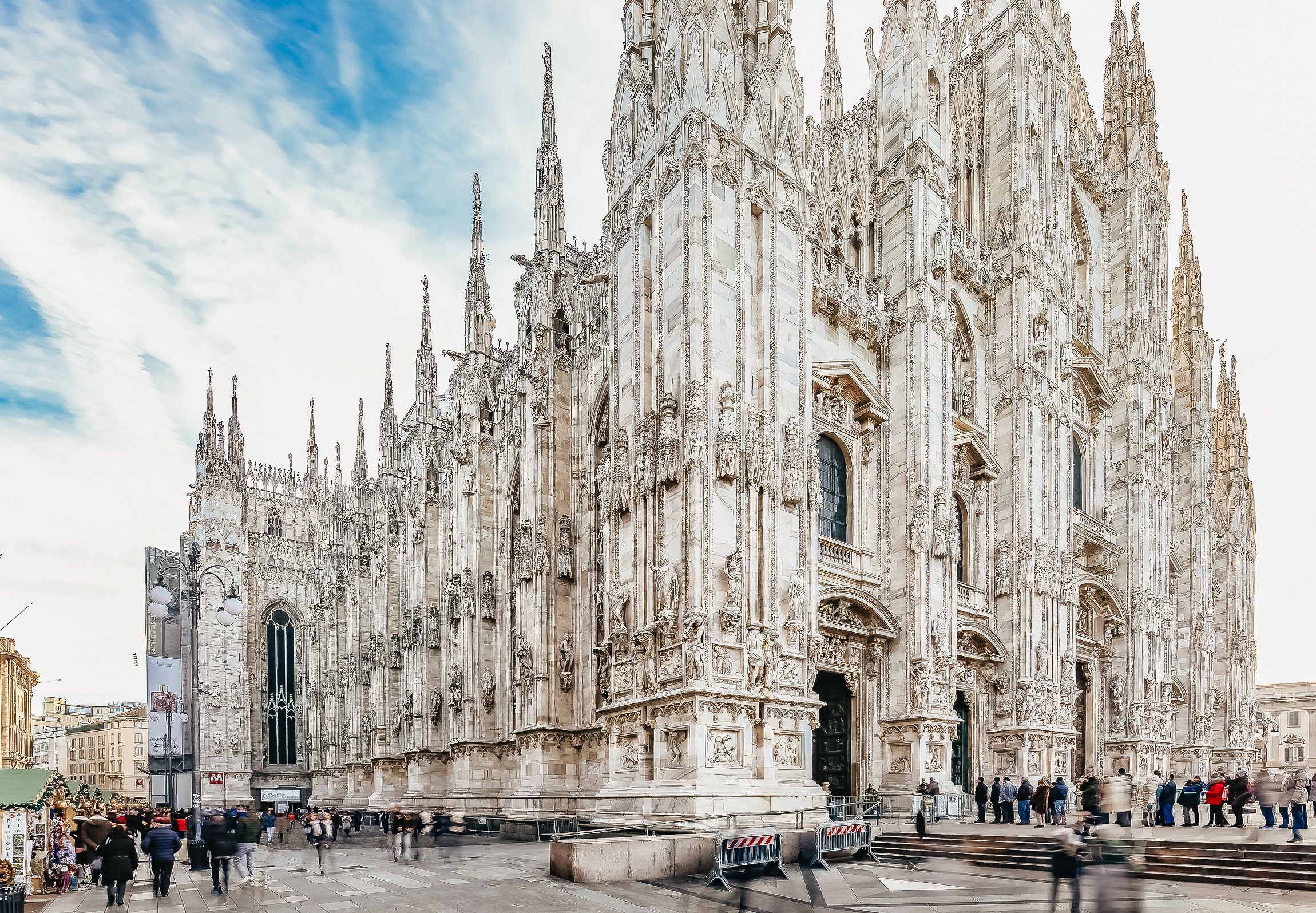
The Duomo's roof holds 135 spires and more than 3,400 statues, and visitors climbing to the terraces can see the golden Madonnina statue up close at 108.5 meters above the piazza.
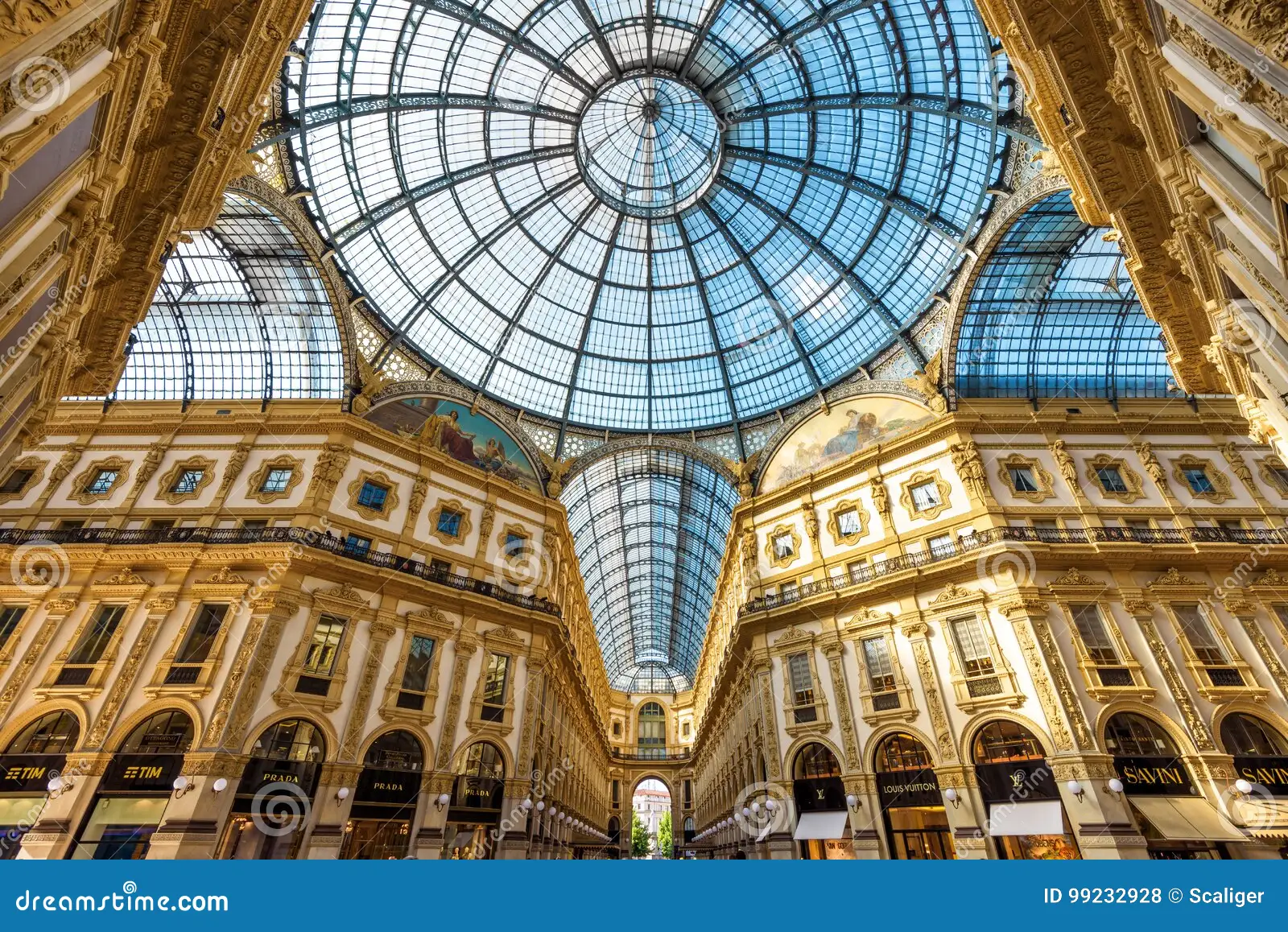
Built between 1865 and 1877, this glass-domed shopping arcade connects Piazza del Duomo to Teatro alla Scala and is often cited as one of the world's oldest shopping malls.
Opened in 1778 after a fire destroyed the previous ducal theater, La Scala's museum displays instruments and memorabilia from centuries of opera history performed on its stage.
Housed within a 17th-century palazzo, the gallery's collection grew from Napoleonic-era confiscations and now includes Mantegna's Lamentation over the Dead Christ.
Originally engineered in the 12th century for transporting building materials, only a fraction of Milan's historic canal network survives today around the Darsena basin and Naviglio Grande.
You collect your card at the Largo Cairoli visitor center soon after the doors open at 08:30, while the trams are still half-empty. From the counter you step straight onto Via Dante, a pedestrian spine that carries you north-west toward the Castello Sforzesco in under ten minutes on foot. You cross the drawbridge, pause beneath the Torre del Filarete clock, then follow the courtyards to the Sala delle Asse, where Leonardo's painted branches close over your head. You tap through the museum gates without a queue, then cut through Parco Sempione to the Arco della Pace before the midday heat settles in. By early afternoon you double back toward the Duomo. You ride a single metro stop, surface into the piazza, and take the rooftop lift to walk among the cathedral's marble pinnacles, the Alps sharpening on a clear horizon. You descend, then slip into the Galleria Vittorio Emanuele II, tracing the mosaic floor to La Scala's threshold. Your milan pass keeps every gate and turnstile open on one scan, so you spend the day choosing sights rather than counting fares — a rhythm the best milan pass tours are built around. You end where you began, near Cairoli, the card still live for tomorrow.
All the details about your upcoming adventure in one place
The milan pass bundles entry to the city's cultural landmarks with public transport across the metro and tram network, letting you move easily between the Duomo, Sforza Castle, and the Brera district. With milan pass tickets covering multiple sites on a single card, visitors can reach the rooftop terraces, Leonardo's Last Supper, and the Navigli canals without buying separate entries each time. It's a practical companion for anyone planning a Milan city tour built around several attractions in one trip.
Milan's civic heart, Largo Cairoli, sits within a few hundred metres of a Gothic cathedral that took nearly six centuries to complete. The Duomo's first stone was laid in 1386; its final gate was consecrated only in 1965. That long arc of construction, spanning Visconti dukes, Napoleonic decree and modern restoration, tells the story of a city that has always built for the future while carrying its past. A milan pass draws these scattered chapters into a single itinerary, threading cathedral, castle and gallery through one card. The Castello Sforzesco anchors the western edge of the old centre. Raised in the fifteenth century by Francesco Sforza on the ruins of a Visconti fortress, it later drew Leonardo da Vinci and Bramante into its service. Leonardo frescoed the Sala delle Asse with interlaced mulberry branches around 1498; the ceiling survives, restored and studied, inside walls that once held one of Europe's largest courts. Today the castle's ramparts open onto Parco Sempione and the Arco della Pace, closing a sightline that Napoleon's planners cut straight through the medieval grid. Milan's cultural weight is not only stone. The Pinacoteca di Brera holds Raphael, Caravaggio and Mantegna; the Teatro alla Scala, opened in 1778, remains among the world's defining opera houses; and Leonardo's Last Supper endures on a refectory wall at Santa Maria delle Grazie, a UNESCO World Heritage inscription since 1980. The Galleria Vittorio Emanuele II, completed in 1877, links cathedral square to opera house beneath an iron-and-glass vault that gave the modern shopping arcade its template. Pass-holders move between these landmarks on the same trams and metro lines that stitch the compact centre together, which is why a well-planned milan pass tour rewards travellers who treat the city as a single, walkable museum. What unites these sites is Milan's habit of reinvention. Flattened by bombing in 1943, its opera house rebuilt within three years; its fashion and design districts rose from post-war industry; its skyline now carries the vertical forests of Porta Nuova above Renaissance domes. The Milan landmarks reached through skip-the-line milan entry are not relics under glass but working institutions, still staging premieres, still hanging new exhibitions, still consecrating restored frescoes. A curated set of milan pass tickets exists precisely because the city refuses to be seen in a single register, asking instead to be read across nine centuries at once, from Gothic spire to glass tower, from ducal fresco to lit arcade.
A city that has always built for the future while carrying its past.
No formal dress code applies to picking up or using the milan pass, but several included sights such as the Duomo and Basilica di Sant'Ambrogio require shoulders and knees covered. Comfortable walking shoes are recommended since a milan pass tour typically combines metro rides, tram stops, and walking between the Visitor Center and city-center landmarks.
The Milan Visitor Center at Largo Cairoli 18 has no dedicated security screening at pickup, but included museums such as the Duomo and Sforzesco Castle run their own bag checks at entry. Backpacks larger than a standard daypack may need to be checked or left behind at some sights included in the milan pass tours network.
Personal photography without flash is permitted at most outdoor sights and squares covered by the milan pass, including the Duomo exterior, Sforzesco Castle courtyards, and the Navigli canals. Some interiors, such as parts of the Pinacoteca di Brera and Santa Maria delle Grazie, restrict flash or tripod use under their own venue rules.
Families can activate one milan pass per person, including children, and the hop-on hop-off bus included with Milan Pass Full offers dedicated commentary tracks for kids in addition to the standard 10-language audio guide. Strollers are manageable on trams and buses but can be awkward on the older funicular-style entries at some historic sites.
The Largo Cairoli pickup point sits at street level near the Cairoli metro station (M1), which has lift access, and staff can assist with pass activation for visitors with mobility needs. Accessibility within individual attractions on the milan pass, such as the hop-on hop-off bus and San Siro Stadium tour, varies by venue and is worth confirming at each stop.
Food and drink are not sold at the Largo Cairoli Visitor Center itself, though the surrounding Brera and Cairoli districts have cafes and bars within a two-minute walk. Eating is not permitted inside included museum galleries such as the Pinacoteca di Brera, but outdoor plazas like Piazza del Duomo allow casual snacking.
Busiest pickup day
Visitor Center hours
08:30–18:30 daily for pass pickup and activation
Pickup location
Milan Visitor Center, Largo Cairoli 18, 20121 Milan, near Sforzesco Castle
Metro access
Cairoli station (M1, red line) is step-free with lift access
Best arrival
08:30–10:00 to maximize same-day attraction and transport use
Bag policy
Small day bags allowed; large luggage not permitted inside included museums
Public transport · 10-20 min from Centrale · Included with milan pass
Take Metro Line 1 (red) to Cairoli station, which sits directly beneath Largo Cairoli, or Line 1/3 to Duomo for the cathedral entrance a short walk away.
Car · 20-40 min depending on traffic · Area C fee plus parking
Driving into central Milan means entering the Area C congestion zone, which requires a paid permit, and street parking near Largo Cairoli is scarce and metered.
Walk · 12-15 min · Free
From the Duomo, it is roughly a 12-15 minute walk north through Piazza Cordusio to reach the Largo Cairoli Visitor Center.
Taxi · 15 min from Centrale, 45-60 min from Malpensa · €15-20 in-city, €95+ from Malpensa
Taxis run from Milano Centrale or Malpensa Airport directly to Largo Cairoli, with airport transfers taking significantly longer than in-city trips.
Most milan pass tours and add-on tickets booked through official resellers can be cancelled free of charge up to 24 hours before the scheduled start time for a full refund. Because the milan pass itself carries no separate entrance fee (0 EUR gate cost; the city pass price varies by tier and duration), refund amounts are based on the tier price paid rather than any single attraction fee.
Recommended time
Full day per pass day (48h or 72h window)
A milan pass window works best mapped to two or three attractions a day rather than a checklist sprint, since queue reality at the Duomo and other headline sites still bites even with skip-the-line access. Picking up your pass in the 08:30–10:00 window lets you reach the Duomo before the 10:30 crowd surge, then shift to a second landmark over lunch when tour groups thin out, and save a lighter museum or viewpoint for late afternoon. Add 30–45 minutes of buffer on any day that includes the cathedral rooftop, and subtract time on a 48h pass by dropping the most distant sites rather than rushing central ones.
Crowd levels through the day
Weather · crowds · average price — dots go green to amber to red as each metric rises.
March through May brings mild temperatures around 12-20°C and moderate crowds at Duomo terraces and Sforzesco Castle, making it a comfortable season for a milan pass tour before summer peak season begins.
June through August sees the heaviest tourist volume alongside heat that regularly reaches 28-32°C, so early pickup and morning visits to indoor sights help avoid both crowds and afternoon heat.
September through November offers cooler weather near 14-22°C and thinner crowds, with Milan Fashion Week in late September drawing style-focused visitors to the Quadrilatero district.
December through February is the quietest season with temperatures often near 2-8°C, and the Duomo terraces and Christmas markets around Piazza Duomo add seasonal appeal despite the cold.
Pick up the milan pass between 08:30 and 10:00 to leave a full day for museums and the hop-on hop-off bus loop before evening closures.
Confirm whether your milan pass tier includes San Siro Stadium or the Navigli boat ride before arriving, since inclusions vary by Light versus Full packages.
Staff at Largo Cairoli 18 typically ask for the purchase confirmation and a photo ID before handing over 48- or 72-hour cards.
Use the included Metro Line 1 access to reach Cairoli directly, then switch to the hop-on hop-off bus for longer cross-city routes like San Siro.
Some included sights such as the Duomo terraces have separate entry-time slots that fill up during summer, so reserve these as soon as the pass is activated.
If arriving by car, budget for the Area C congestion charge that applies within Milan's historic center on weekdays.
The Duomo rooftop terraces are exposed to sun and wind, so a light jacket helps even on warm days.
Largo Cairoli 18, 20121 Milan, Italy
Primary pickup counter at the junction of Largo Cairoli and Via Cusani, near Cairoli M1 metro exit
Get directionsPiazza Duca d'Aosta, 20124 Milan, Italy
Secondary pickup point for Milan Pass Light near Milano Centrale station
Get directions
Real experiences from real travelers
The milan pass paid for itself on day one just from the Duomo rooftop and the Galleria. We went up around 7pm when the marble turned pink and the crowds had thinned, and being able to walk past the ticket queue with skip-the-line Duomo access felt almost unfair. Bring a hat, the terrace has zero shade in July.
Used it across three days and hit the Duomo, Sforza Castle, and a couple of smaller museums near Brera. The Milan sightseeing pass loaded onto my phone with no fuss and the QR scanned every time. Sforza's courtyard at golden hour was the quiet highlight nobody talks about.
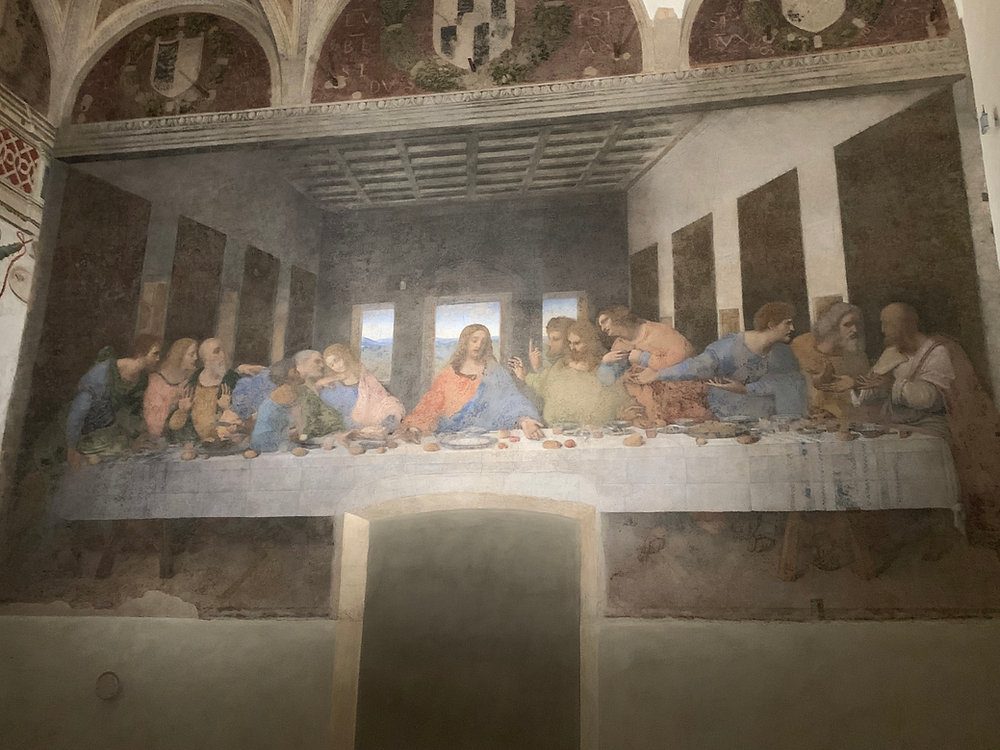
Solid value and the milan pass tours option for the Last Supper was the only way we got a slot that week. One warning, the da Vinci booking fills fast so reserve the moment you activate. The Galleria mosaic floor at sunset is worth timing your walk for.
July in Milan is hot and humid, so cutting queue time with the pass mattered more than the money. We did the Duomo early, ducked into the cool Galleria arcade midday, then Sforza Castle late. The skip-the-line Duomo entrance saved us a good forty minutes in full sun.
We are slow travelers and the milan pass tickets let us wander between Milan landmarks without buying separate entries each morning. Standing under the Galleria dome with the light coming through the glass was the moment my partner finally got why I wanted to come. Comfortable shoes are non-negotiable on those cobbles.
Everything ran off the biglietto Milano on my phone and I never printed a thing. The Duomo terrace views stretched toward the Alps on a clear evening and the Madonnina glowed gold above us. Only note, signage for the pass entrance at a couple of sites was easy to miss.
Went in February expecting everything half-shut but the main Milan landmarks were open and far less crowded. The milan pass tour for the Last Supper had a knowledgeable guide who explained the mural's damage and restoration. Wrap up warm, the Duomo rooftop wind is brutal in winter.
Most scans were instant but one museum staffer wasn't familiar with the pass and it took a minute to sort. Still, the Milan sightseeing pass covered enough that we came out ahead. The Sforza Castle museums are underrated, we spent two hours there almost alone.
Managing four separate tickets would have been a headache, so having everything under one milan pass tickets bundle kept our trip calm. The kids loved spotting the golden Madonnina from the Duomo terrace at sunset. Reserve the timed slots the night before to avoid the morning scramble.
Almost every stop was walkable from the Duomo so we barely used transit. The milan pass got us into the cathedral, the crypt, and up top without a single queue. The iron-and-glass ceiling of the Galleria at dusk is the shot everyone wants.
Everything you need to know for your journey
The Milan Visitor Center at Largo Cairoli 18 is open daily from 08:30 to 18:30 for milan pass pickup and activation.
Milan pass tickets are collected at the Milan Visitor Center, Largo Cairoli 18, 20121 Milan, at the junction with Via Cusani near the Cairoli metro exit.
The milan pass has no separate single gate fee; it is a city pass whose price varies by tier and duration rather than a per-attraction entrance charge.
Arriving between 08:30 and 10:00 is recommended so the pass can be activated early and used across attractions and transport for the full day.
The Visitor Center is at street level near Cairoli metro station, which has lift access, though accessibility at individual included attractions varies by venue.
Prohibited items across included attractions generally include weapons, glass bottles, large suitcases, tripods in restricted galleries, drones, food inside museum halls, aerosol cans, selfie sticks in crowded exhibits, and open flames.
Personal, non-flash photography is generally allowed at outdoor sights and most interiors covered by milan pass tours, though some galleries restrict flash or tripods under their own rules.
Spring and autumn offer milder weather and thinner crowds for a milan pass tour, while summer is the busiest and hottest season in Milan.
Some included religious sites, such as the Duomo and Basilica di Sant'Ambrogio, require shoulders and knees to be covered, though no dress code applies to the Visitor Center itself.
Eating is not permitted inside gallery spaces like the Pinacoteca di Brera, but the streets and cafes around Largo Cairoli and Piazza del Duomo are open for casual dining.
Metro Line 1 (red) stops directly at Cairoli station beneath Largo Cairoli, making it the most direct public transport route to the Visitor Center.
Yes, each family member needs an individual milan pass, and the included hop-on hop-off bus offers dedicated audio commentary tracks for children.
Most milan pass tours and add-on tickets can be cancelled free of charge up to 24 hours before the scheduled start time for a full refund.
Sforzesco Castle, Parco Sempione, and Piazza del Duomo are all within a short walk of the Largo Cairoli pickup point and pair naturally with a Milan landmarks tour.
A 15th-century fortress built for the Sforza dukes, now home to several city museums and a large public courtyard directly beside the pickup point.
One of Italy's major public galleries, housing works by Raphael, Caravaggio, and Mantegna within the Brera arts academy building.
Milan's central square anchored by the Gothic cathedral, ringed by the Galleria Vittorio Emanuele II shopping arcade.
A fourth-century basilica founded by Saint Ambrose, notable for its Romanesque architecture and ancient atrium.
A large landscaped park behind Sforzesco Castle, home to the Arco della Pace triumphal arch and the Torre Branca observation tower.
The renowned opera house dating to 1778, with an adjoining museum displaying opera memorabilia and instruments.
A boutique-hotel-heavy arts neighborhood within easy walking distance of Largo Cairoli, known for narrow cobbled streets and galleries.
The historic center around the Duomo offers a wide range of mid-range and luxury hotels close to major sights.
Milan's high-fashion district houses several five-star hotels near Via Montenapoleone.
Budget and mid-range hotels cluster around Milano Centrale station, convenient for the secondary pass pickup point.
Join thousands of happy travelers who have discovered this incredible experience
Book Your Experience Now